Europe: decorative arts
ape players
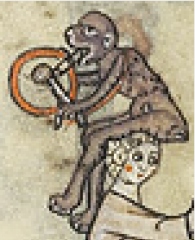
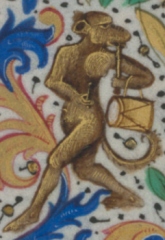
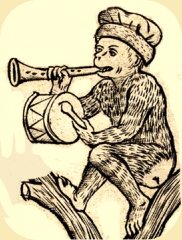
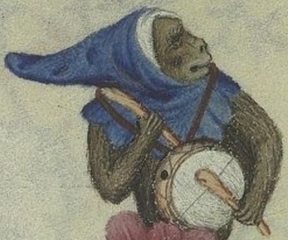
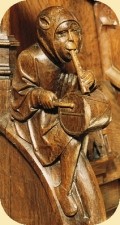
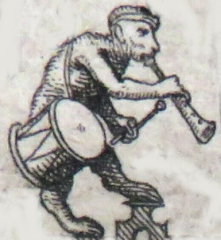
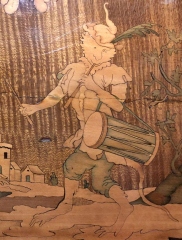
Apes and monkeys, (there was no distinction between the two), were depicted playing the pipe and tabor from "apes may appear as emblems of usury or lust, but they can also appear as symbols of social status. Even when
However, "around the middle of the 13th century, the Dominican Guglielmus Peraldus considered the goat “In medieval iconography the ape is …often employed in the place of entertainers, … just as this animal imitates ‘The Parody of Musical Instruments in Medieval Iconography ’by Sandra.Pietrin, 2017 |
|||||||
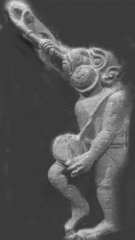 11th century stone carving, horn and tabor Cambodia 11th century stone carving, horn and tabor Cambodia |
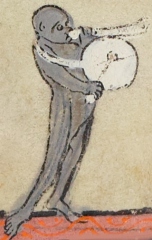 1300 Flemish manuscript f150r 1300 Flemish manuscript f150r |
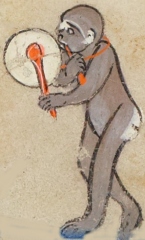 1300 Flemish manuscript 131r 1300 Flemish manuscript 131r |
|||||
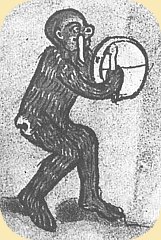 c 1300 c 1300 |
|||||||
|
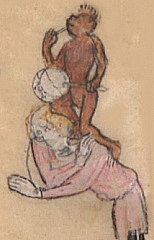 14th century manuscript France 14th century manuscript France |
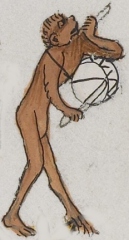 1330 to 1340 manuscript, Paris, France 239r 1330 to 1340 manuscript, Paris, France 239r |
|||||
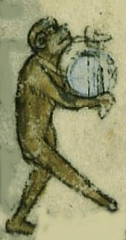 c. 1336-1340 manuscript, France c. 1336-1340 manuscript, France |
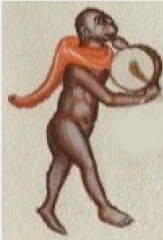 1340 manuscript Bible, Naples, Italy 152r 1340 manuscript Bible, Naples, Italy 152r |
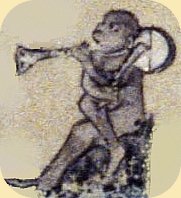 1338-44 manuscript Flanders, Belgium 20v 1338-44 manuscript Flanders, Belgium 20v |
|||||
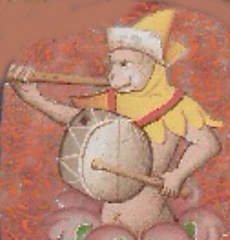 medieval unknown medieval unknown |
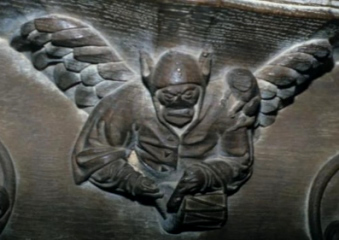 14th century Holdenby, Northamptonshire, England, broken pipe, 14th century Holdenby, Northamptonshire, England, broken pipe, |
||||||
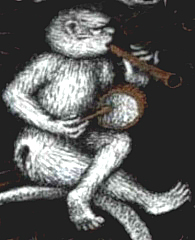 1424-50 enamelled glass goblet, Belgium, page 77 1424-50 enamelled glass goblet, Belgium, page 77 |
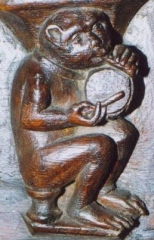 15th century misericord, Germany 15th century misericord, Germany |
||||||
 between 1440 and 1460 France between 1440 and 1460 France |
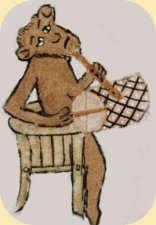 mid 15thc manuscript, England mid 15thc manuscript, England |
||||||
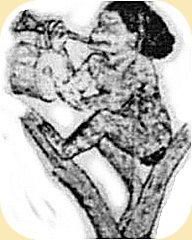 1460, print, 'Peddler robbed by Apes' fable 1460, print, 'Peddler robbed by Apes' fable Florence, Italy |
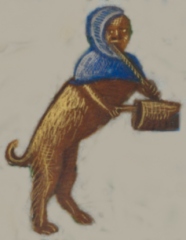 1465 Cordoba, Andalusia, Spain page 39 1465 Cordoba, Andalusia, Spain page 39 |
 1465 Cordoba, Andalusia, Spain page 38 1465 Cordoba, Andalusia, Spain page 38 |
|||||
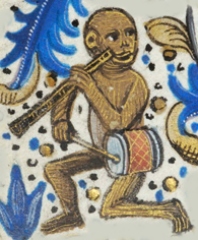 1470 manuscript Bruges, Belgium 1470 manuscript Bruges, Belgium |
|||||||
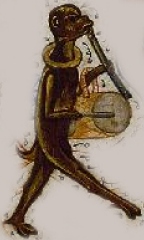 1475-1500 Paris, France 1475-1500 Paris, France |
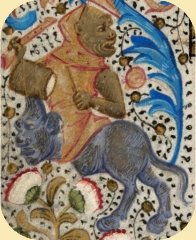 c1480 manuscript France c1480 manuscript France |
||||||
 France France |
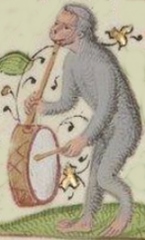 1475-1480 manuscript, France 1475-1480 manuscript, France |
||||||
|
|||||||
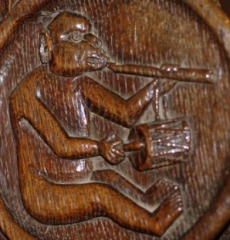 1480 misericord, wood carving, Andorra 1480 misericord, wood carving, Andorra "Flutet with holes distributed over the body of the instrument. The tabor is held by a rope tied around the animal's left wrist, allowing it to have its right hand free to play with the wand.” |
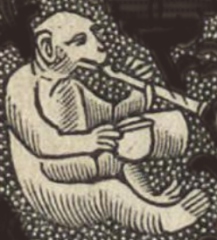 1514 Also reproduced in The ‘Biographical 1514 Also reproduced in The ‘BiographicalDecameron; or, Ten days pleasant discourse upon illuminated manuscripts, and subjects connected with early engraving, typography, and bibliography’ by Dibdin, Thomas Frognall, 1817 |
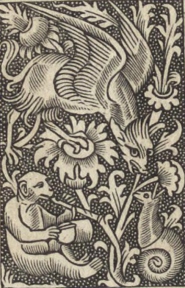 1498 (whole panel) Chambéry, France 1498 (whole panel) Chambéry, France |
|||||
 1500 manuscript, Paris, France 1500 manuscript, Paris, France |
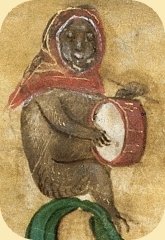 1509 manuscript 1509 manuscript |
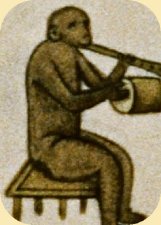 1520-30 manuscript, England 1520-30 manuscript, England |
|||||
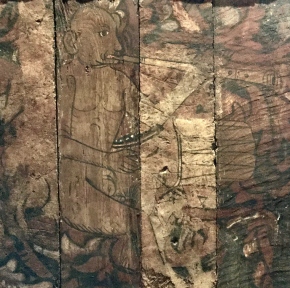 16th century Bramall Hall, Greater Manchester,wall painting 16th century Bramall Hall, Greater Manchester,wall painting |
|
||||||
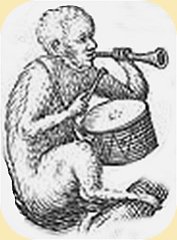 1610 print 1610 print |
 wall painting, France wall painting, France |
||||||
1680's satirical poem England: ‘Anecdotes Illustrative of the Manners and History of Europe ‘...by James Peller Malcolm, 1811 |
|||||||
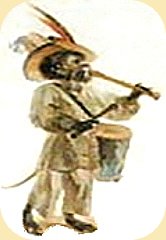 1737 painting on wood, France 1737 painting on wood, France |
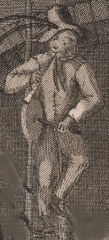 1730 satire England 1730 satire England |
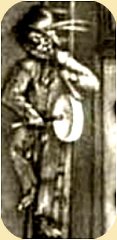 1771 satirical print, England 1771 satirical print, England |
|||||
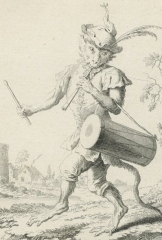 1742 original drawing France 1742 original drawing France |
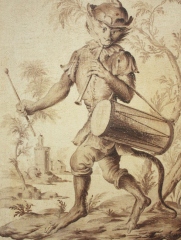 1960's copy on canvas 1960's copy on canvas |
||||||
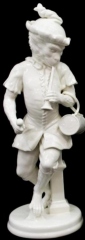 USA statuette USA statuette |
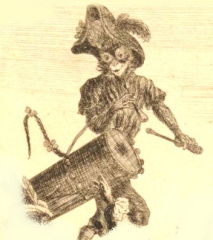 18th century France 18th century France |
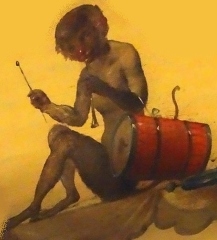 18th century painting 18th century painting |
|||||
 1780-1795 embroidered waiscoat, France 1780-1795 embroidered waiscoat, France |
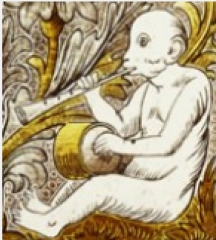 1880 painted glass panel, England 1880 painted glass panel, England |
||||||
1888 story ‘Mémoires d'Olivier de La Marche, maître d'hôtel et capitaine des gardes de Charles le Téméraire’ Henri Beaune et J. d’Arbaumont |
|||||||
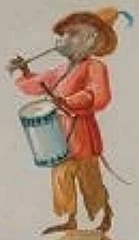 19th century Europe 19th century Europe |
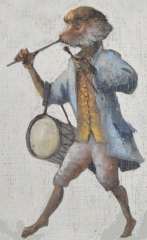 |
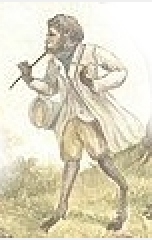 |
|||||
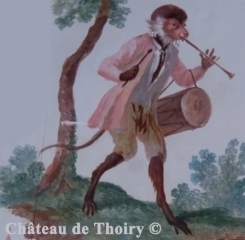 France France |
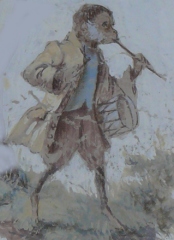 2023 copy wall painting by Pascal Amblard France 2023 copy wall painting by Pascal Amblard France |
||||||
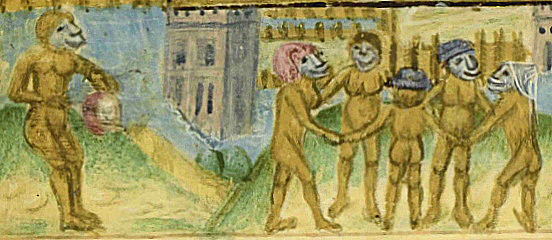
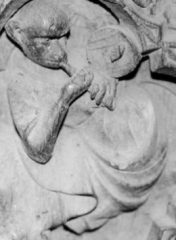




top of page