worldwide traditions: women taborers
Men vastly outnumber women in all traditions that have a three-holed pipe as part of their culture. This is not because great strength is needed (often cited as a reason for men-only professions). It is purely cultural. Women were possibly there,
albeit in small numbers. Or is it that women are not widely represented in the iconography because they were there in
such large numbers, so common, as to be ignored? In the 21st century women taborers are becoming more visible.
This essay is put here as a discussion point and will no doubt be added to/amended by readers.
Do send views and/or pictures to Frances, project manager.
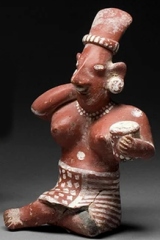
| The double pipes were widespread in ancient representations of musicians. | ||||||||||||
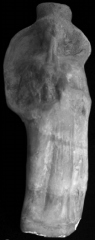 8 archeological carved stone figurines, playing 8 archeological carved stone figurines, playingdouble pipes have been found in Ibiza, Spain. 6 of these figures are female. (source) |
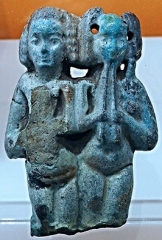 664-525BCE Egypt 664-525BCE Egyptwomen musicians double pipes and drum |
|||||||||||
|
||||||||||||
In medieval society “…despite their musical prowess and well-regarded entertaining aptitudes, women were “Alleviators of Sadness and Tedium”: Constructing a Socially Acceptable Image for the Medieval Female Performer” mauricio molina, 2015 |
||||||||||||
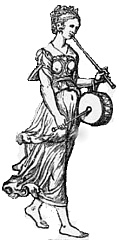
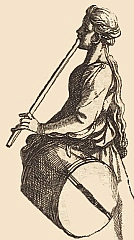
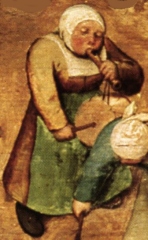
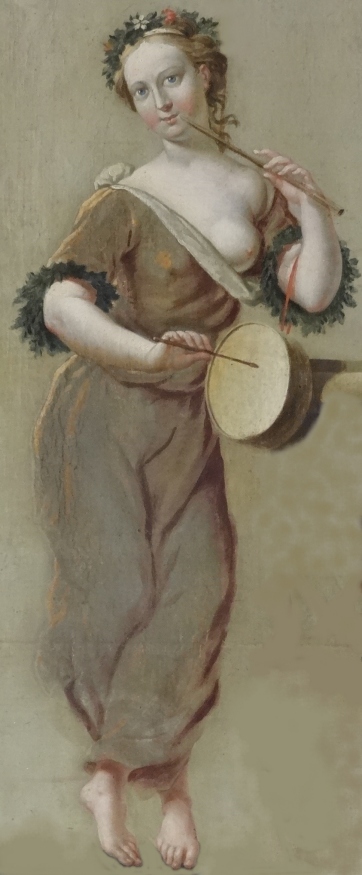
In medieval European iconography there are many images of women playing the tabor and also hand drums, |
||||||||||||
"Old English had such words as timpestere, a female drum player. The 1321 incorporation of thirty-seven 'tā̆bornester' and 'taburnistir' were middle English words for a female drummer |
||||||||||||
1528 Woman Instrumentalists - Baldesar Castiglione's 'The Book of the Courtier'. 'THE GENDER STEREOTYPING OF MUSICAL INSTRUMENTS IN THE WESTERN TRADITION' by Rita Steblinz |
||||||||||||

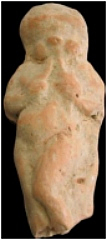
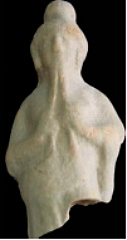
| In European medieval manuscripts
it can be hard to tell if a man
or a
woman is being depicted. Two women taborers: |
||
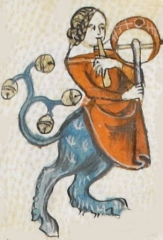 This hybrid is definitely part female This hybrid is definitely part female by the hairstyle c.1300. |
|
|
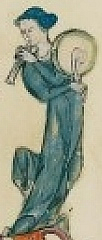 in the margins of
a
in the margins of
a |
"Mermaids were associated with lust, temptation and the dangers
of sexuality because mermaids were considered " mermaids represented sensual allurements and female seduction; they play music leading men astray |
|||
|
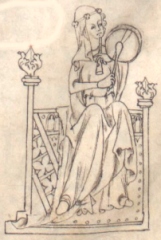 14th century London 14th century London |
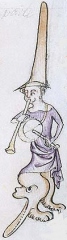 c.1350 hybrid Belgium c.1350 hybrid Belgiumprobably Tournai, |
|
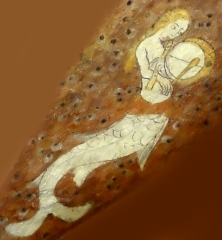
| Martin le Franc, French poet: wrote a poem 'The Champion of Women' which was a defense of virtuous women. |
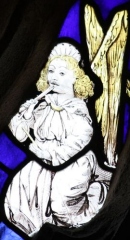 |
Women taborers are also depicted in glass. 1463 In the Church of Our Lady of Bulat, in Bulat-Pestivien, Brittany, France, three similar stained glass windows depict angels that are very female-looking |
|
|
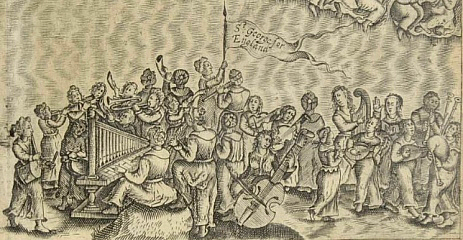
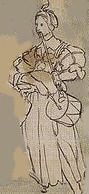 1533 Design for a triumphal arch for Anne Boleyn's coronation procession in London, England. 1533 Design for a triumphal arch for Anne Boleyn's coronation procession in London, England. |
Were there women pipe |
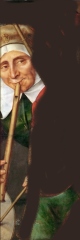 Jan Massys
(c.1510 – 1575), Flemish painter,
put a female
pipe and tabor player right
on the edge Jan Massys
(c.1510 – 1575), Flemish painter,
put a female
pipe and tabor player right
on the edge of 'Jovial Company' |
1541 Pietro Bembo's opinion, voiced to his daughter Elena in a letter, was that music was fit only for: "vain and facile women’, and should play no part in the life of an honest lady” 1450-1499 in a conduct guide for women filled with examples drawn from the lives of saints: (written by a man) “she who would perfect the virtue of chastity must take note of six things … Italy, possibly in Perugia, 'Fiore di virtù and other moralizing verse' |
|||
In the majority of Italian literary sources published before 1530 the representation of music in female hands |
|||
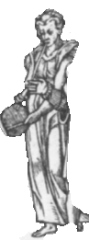 taken from a play of 1577. taken from a play of 1577. At this time this player could be a male cross-dressing. |
“Wind instruments were frowned upon. Their distortion of their player’s face during ‘My virgin cheeks puffed up’: Classical Mythology, Women and Wind Instruments |
||
|
The friezes and walls of the choir in the Cathedral of Pilar are decorated |
||
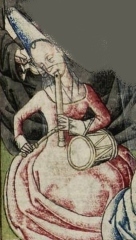
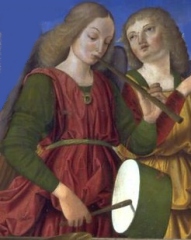
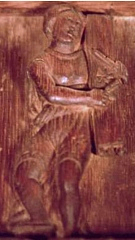
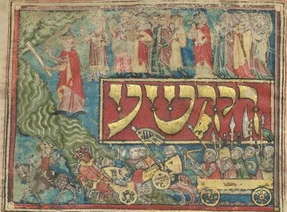
7 images depicting Jephthah's Daughter In ancient Israel celebrations of victory |
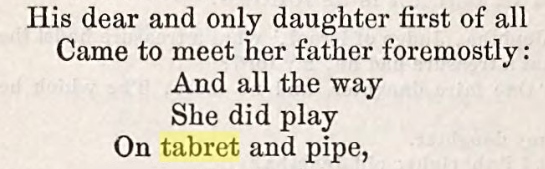 1866 poem
‘Jepthah Judge of Israel’ 1866 poem
‘Jepthah Judge of Israel’‘Reliques of ancient English poetry : consisting of old heroic ballads, songs, and other pieces of our earlier poets ; together with some few of later date ; in 3 vols’.. 1 by Percy, Thomas |
|||
|
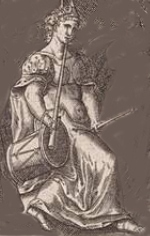 1570 part of a band Holland 1570 part of a band Holland |
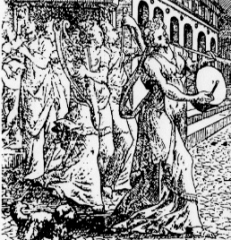 1570 Czech bible - women's band 1570 Czech bible - women's band |
||
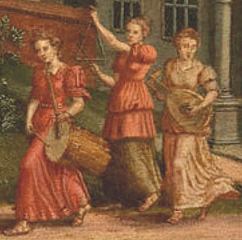 1560-80 England 1560-80 England |
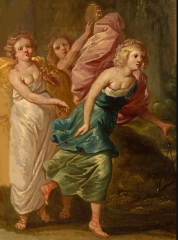 17th century Flemish 17th century Flemish |
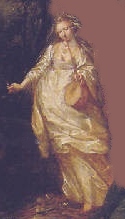 17th century Holland 17th century Holland |
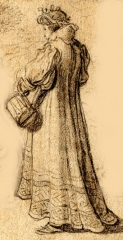 1602-1630 Holland 1602-1630 Holland |
|

| 14 other Biblical images: | |||||||||||||||||||||||
 |
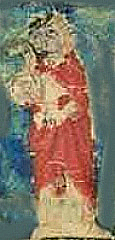 |
 1500/1546 Germany 1500/1546 GermanyDavid and Saul returning from battle met by Israelite women |
|||||||||||||||||||||
1322 Miriam, parting of the Red Sea, Tripartite Mahzor, Germany |
|||||||||||||||||||||||
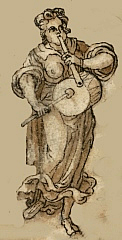
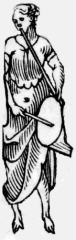 1564-1573 1564-1573Miriam, part of a female band |
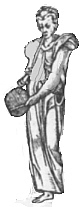 1577 sketch of a ceremonial arch Brussels, Belgium 1577 sketch of a ceremonial arch Brussels, Belgium |
 1578 Holland 1578 Holland |
|||||||||||||||||||||
 16th century painting 16th century paintingAntwerp, Belgium |
 16th century painting, Flemish 16th century painting, Flemish |
 1595-1651 Germany 1595-1651 Germany 'Israelite women run out of the city gate |
|
||||||||||||||||||||
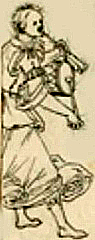 16th/17th century Israelite women
come out of the city playing instruments; Bible 16th/17th century Israelite women
come out of the city playing instruments; Bible |
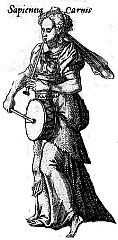 1610 Amsterdam, Holland 1610 Amsterdam, Holland book illustration |
 |
 |
||||||||||||||||||||
1675-1699 Biblical reference, Northern Netherlands |
|||||||||||||||||||||||
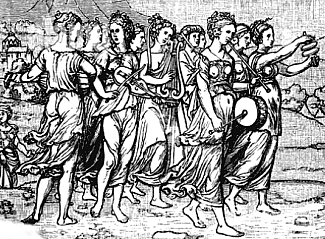
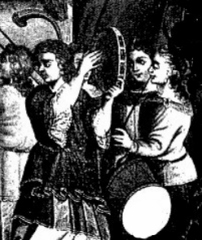 1700-1750 Women musicians welcome David:
Peru, chapter house of the Carmen Monastery,
Arequipa 1700-1750 Women musicians welcome David:
Peru, chapter house of the Carmen Monastery,
Arequipa |
 |
 |
|||||||||||||||||||||
1890 women come out of the city to greet David, Germany |
|||||||||||||||||||||||
|
|||||||||||||||||||||||

 |
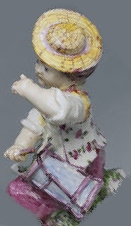 . . |
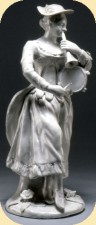 c1760 ceramic c1760 ceramic Longton Hall Stoke-on-Trent, England . British Museum |
|
|
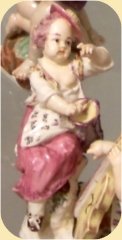
A girl child modelled in France in 1760.
The pipe is missing. Maybe the pipe and tabor were seen as child's games so not worthy of being reported |
||||
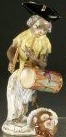 |
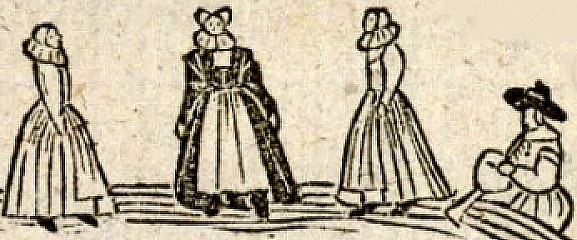
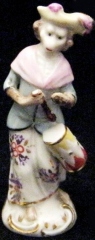
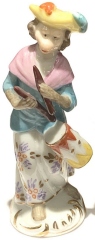
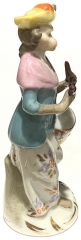
In the early 18th century human activities in Europe were satirised by being depicted as being |
 |
 front front |
 side side |
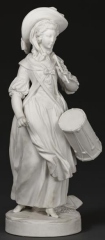
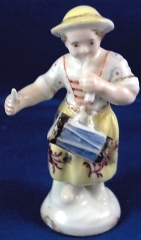
Three Victorian ceramic statuettes, the first one broken. Do they show actual women or are they viewed only in the ceramic modellers' eyes as to what will sell? |
 |
||||||||||||
|
||||||||||||||||
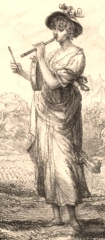 1801 England 1801 EnglandA group of women gather round to listen to the female taborer. |
|
|
||||||||||||||
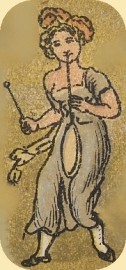
| Taborers could be found in early music, folk,
(morris and folk song
and dance),
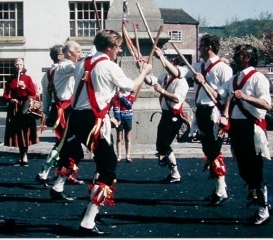
and street entertainments. The movement to include women started in the early 20th century, as far as we know. |
||
Joan Sharp July 1923 At a folk dance festival at Cirencester Western Daily Press, 23 July 1923, p. 5. in ‘Joan Sharp (1898–1968) and the Revival of the English Pipe and Tabor.’ by Richard Sermon, 2021 |
||
July 1923 Photograph of two Morris dancers, Wilts and Gloucestershire Standard 28 July 1923 |
||
In the 1929/1930's Joan Sharp played pipe and tabor for morris and country dancing
in England |
|
1927 Chelsea Polytechnic newspaper report: 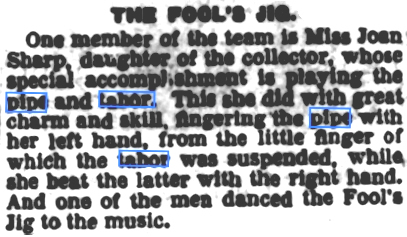 |
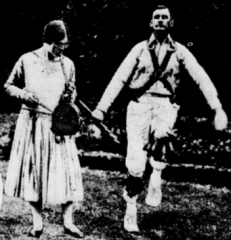 1929 Joan Sharp in Canada 1929 Joan Sharp in Canada |
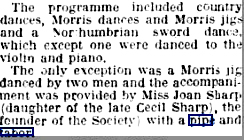 Sheffield Independent - Monday 24 November 1930 Sheffield Independent - Monday 24 November 1930 |
|
| Carl Dolmetsch said " The three-holed pipe, now much used for the playing of Country Dance tunes, has also figured amongst the products of the Haslemere workshops. They were supplied to many prominent folk dancers, among them Miss Joan Sharp, daughter of Cecil Sharp, founder of the movement." |
||
J Sherman |
. Georgie Taylor 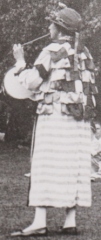 1925
playing for morris dancing. 1925
playing for morris dancing.The Isis Strollers danced at a Reading Festival. accompanied on Pipe and Tabor by Mrs Taylor (Georgie), Secretary of the Oxford Branch |
Imogen Holst 1925 Jane Schofield wrote: “Amy [Stoddart] did 'Princess Royal' to Imo's [Imo is Imogen Holst] 1951 Imogen Holst produced
‘Benedick and Beatrice’ ‘Catalogue of Imogen Holst’s works’
|
Mrs Hill March 1927 newspaper report: "Mrs Hill playing the Morris pipe and tabor" |
||
| In 1926 Mrs Helen Kennedy played the pipe
and tabor for a morris jig at a folk dance demonstration
at Southall, London.
The newspaper report (West Middlesex Gazette) had the title ‘Pipe and tabor revival at Southall’ |
||
| Some morris dancers were completely against women as dancers, managers and musicians until early 21st century. In April 1934, one dancer of the East Surrey Morris wrote a letter in which his criticism of the intervention of women in morris dancing was unequivocal: "As regards men’s morris, my feeling is that it should be entirely man-managed. Women should have nothing to do with its management at all." (source) |
||
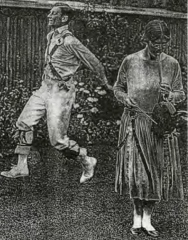
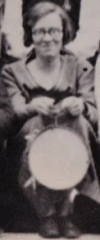
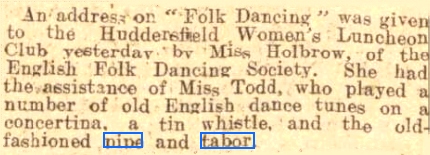
Despite attitudes such as these some women contributed fully to the morris movement. Miss Barnett was praised by the Oxford University Morris Men:
" Our inspiration was Miss Marjorie Barnett (Mrs Heffer) who was the Oxford teacher at that time and one of the few women really capable of teaching Morris" 1921 It was an “unqualified success”; “to Miss Barnett is due the careful and efficient preparation and training, 1926 "Miss Barnett generously gave her teaching services free and we men, all pretty raw beginners, depended 1924 " The Morris had to be learned through EFDS teachers, who were normally women. There was indeed 'The Ancient Men THE OUMM AND ITS BACKGROUND' |
||
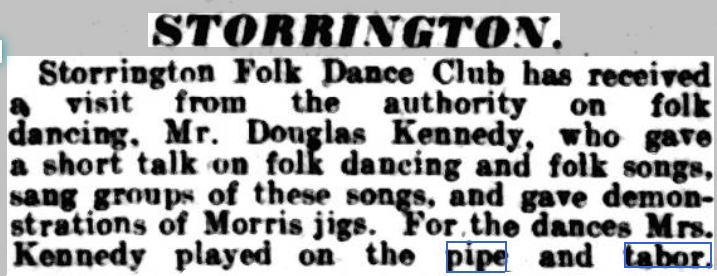
|
||||||||||||||||||||||||||||||||||||
|
||||||||||||||||||||||||||||||||||||
|
||||||||||||||||||||||||||||||||||||
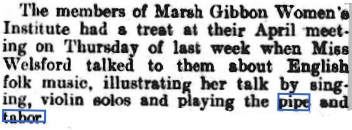
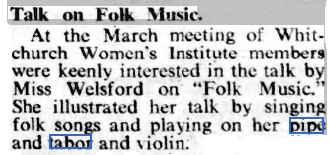

 source
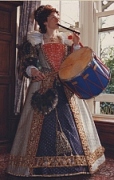
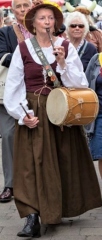
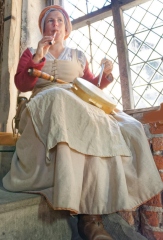

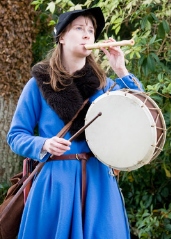
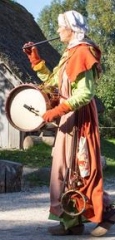
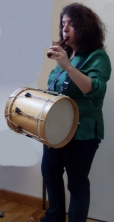
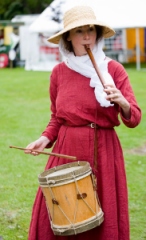
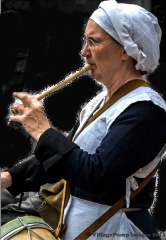
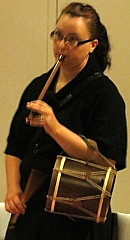
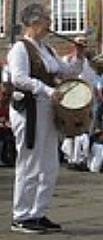
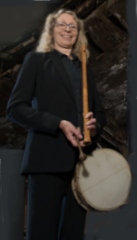

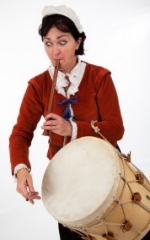
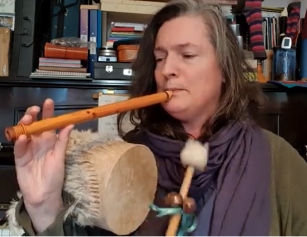

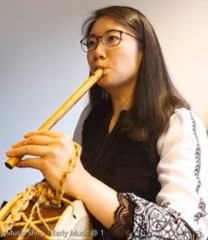

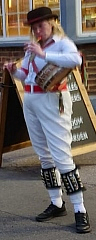
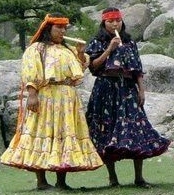
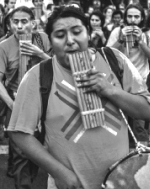
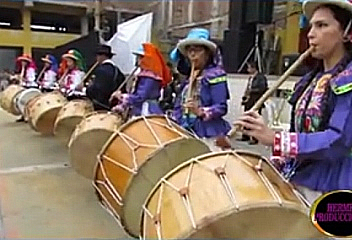
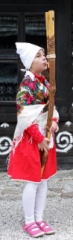

 |
 |
|
|
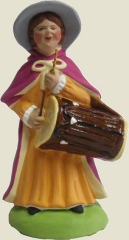
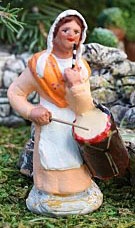
Provence;
statuettes based on two female
taborers. |
|||
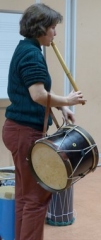 21st century 21st century Caroline Leprette, Laval |
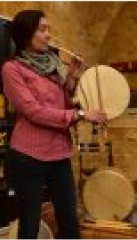 2019 early music, France 2019 early music, France |
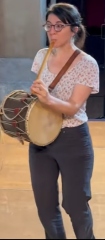 2023 'Into the Winds' early music group 2023 'Into the Winds' early music group |
|
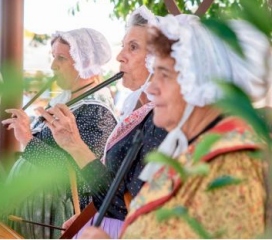 2023
folklore group Escandihado at
Feast 2023
folklore group Escandihado at
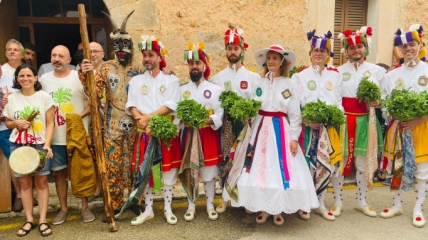
Feastof Saint-Michel, Grimaud, France |
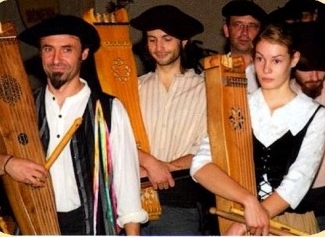 2007 Monein
SW France 2007 Monein
SW France |
||
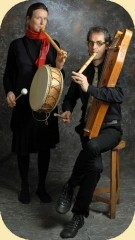 2012 2012 |
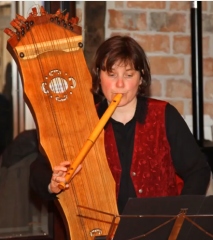 Caroline Leprette playing string drum Caroline Leprette playing string drum |
||
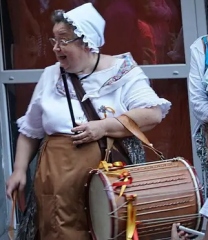
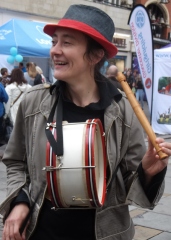
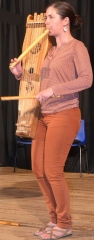
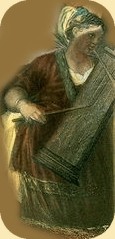
|
||||||
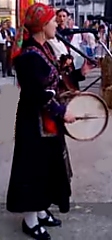
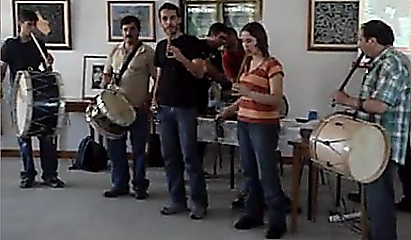
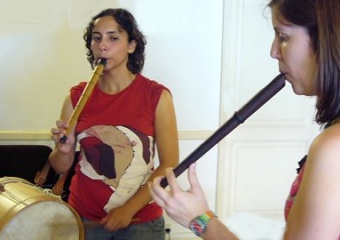
Spain |
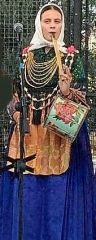 |
Ibiza, Spain, 2016: This was the first female pipe and tabor player to play in public in Ibiza. Ester Torres said: "I am aware that it is something that had never been done before,
but women had never voted before, in
the end it was achieved
and now we see it as something normal and necessary in today's society
like ours" |
"Ester Torres broke stereotypes |
|
||||||||||||||||||||||||
In Spain Pilar Marcos said in 2018: “Right now there are girls playing, they are still few, but when I started |
||||||||||||||||||||||||
José Ramón Cid Cebrián was interviewed in Spain in 2015: |
||||||||||||||||||||||||
|
||||||||||||||||||||||||
|
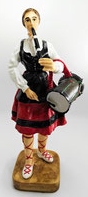 Basque country resin statuette Basque country resin statuette |
|
|
|||||||||||||||||||||
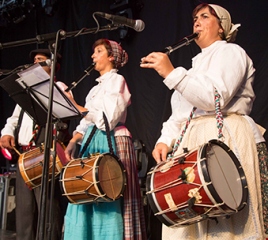 Bilbao, Basque country, Spain Bilbao, Basque country, Spain |
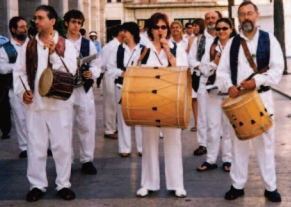 This woman has the biggest drum, Spain This woman has the biggest drum, Spain |
|||||||||||||||||||||||
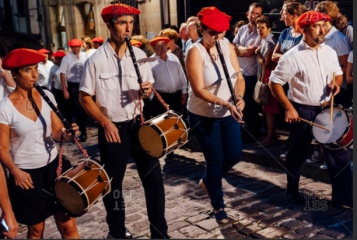 2014 Hondarribia, Basque country, men and women players, Spain 2014 Hondarribia, Basque country, men and women players, Spain |
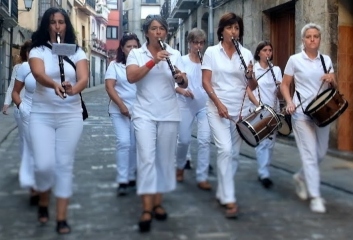 2019 Basque "we’ve brought together three female txistularis. 2019 Basque "we’ve brought together three female txistularis.Or, simply put, three txistularis: they don’t see the point of that distinction between men and women" |
|||||||||||||||||||||||
|
For one hundred years Basque pipe and tabor (male) players have been used occasionally on tourist posters to advertise the area. This is the first time that a female player has been portrayed. [posters here] |
|||||||||||||||||||||||
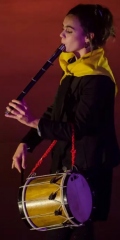 2023 Garaine Jorajuria 2023 Garaine Jorajuria Txistu professor at the Conservatory of Navarra (Pamplona) |
 2024 girl playing for outdoor
traditional dance Catalonia 2024 girl playing for outdoor
traditional dance Catalonia |
|||||||||||||||||||||||
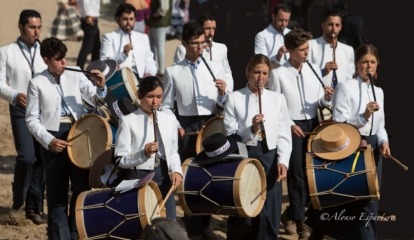 2015 El Rocio pilgrimage, Andalucia; mixed group 2015 El Rocio pilgrimage, Andalucia; mixed group |
||||||||||||||||||||||||
 2017 El Rocio pilgrimage, Andalucia 2017 El Rocio pilgrimage, Andalucia |
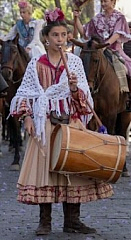 2024 procession in Jerez 2024 procession in Jerezde la Frontera, Andalusia |
|||||||||||||||||||||||
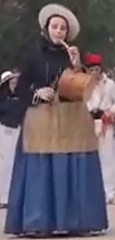

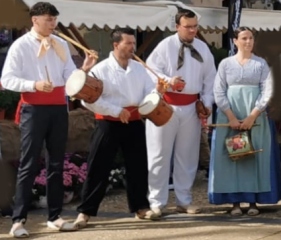
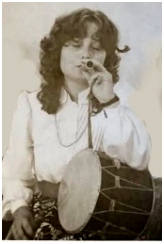



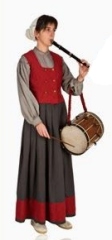
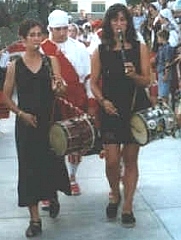
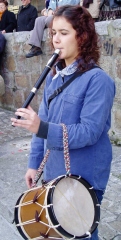
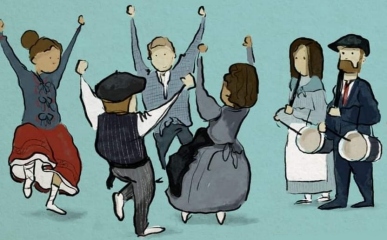
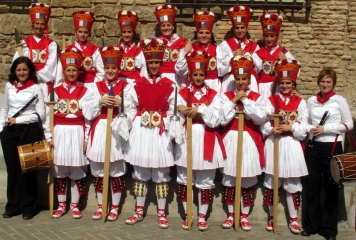
|
"María is from Almonaster la Real, a small village in Andalusia. You can see her playing as guitarist, singer and/or taborer in traditional celebrations (such as Pilgrimages), festivals and other events in both countries, Spain and UK. These three words characterise her performances: spontaneity, passion and “juerga”. " | ||||||||||||||||||||||||||||||||||||||||||||||||||||||||||||
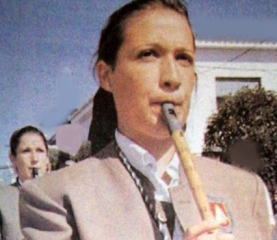 2023 Rocío Albarrán, Almonte, Huelva, Spain 2023 Rocío Albarrán, Almonte, Huelva, Spain |
|||||||||||||||||||||||||||||||||||||||||||||||||||||||||||||
|
|||||||||||||||||||||||||||||||||||||||||||||||||||||||||||||
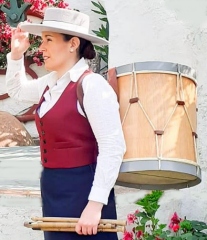
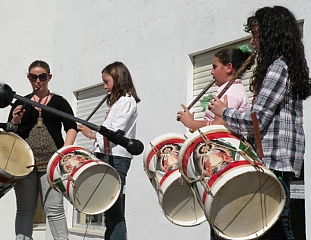
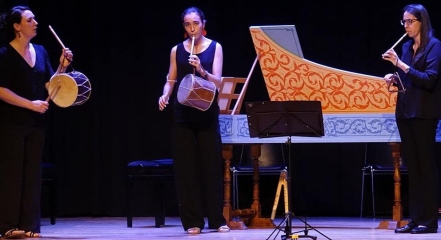
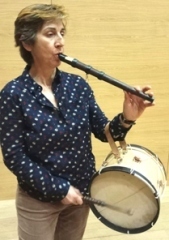
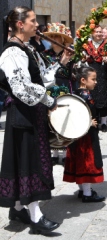


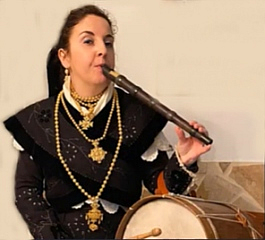
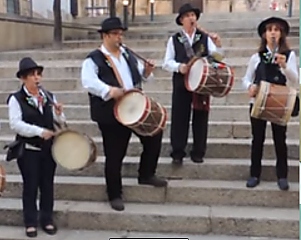

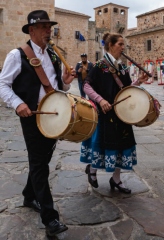
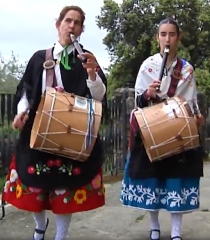

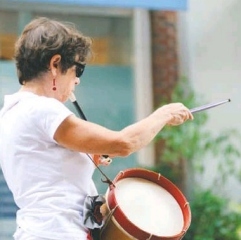
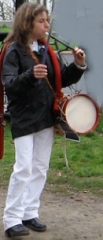
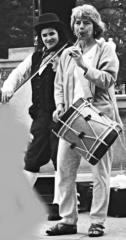
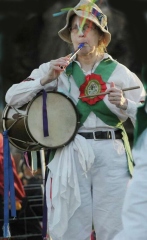
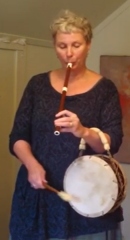
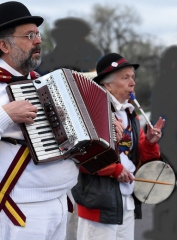
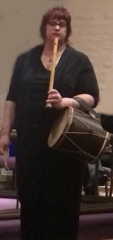

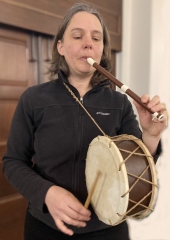
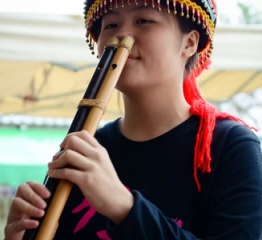
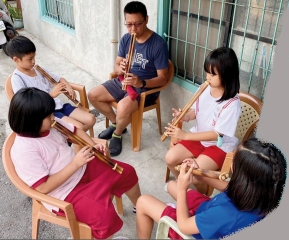
|
||||||||||||
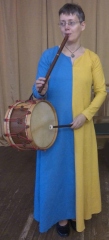 2015 Ekaterina Bonfeld,
Training center 2015 Ekaterina Bonfeld,
Training centerof the St. Petersburg Montessori school Mikhailova |
|
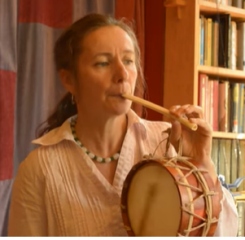 2016 Aahmes Quince, New Zealand 2016 Aahmes Quince, New Zealand |
||||||||||
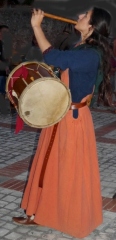 2014 Itri, South Lazio, Italy 2014 Itri, South Lazio, Italy |
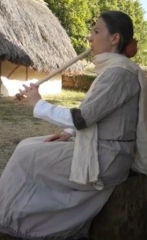 2021 Lola Teale, Italy 2021 Lola Teale, Italy |
|
||||||||||
|
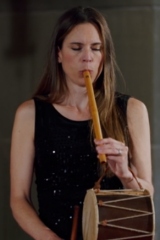 2023 Holly Scarborough, Switzerland 2023 Holly Scarborough, Switzerland |
Margo Fontijne plays the pipe and tabor in the early music group Ensemble Corona, based in Holland. |
||||||||||
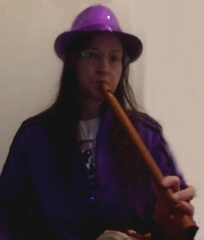 2024 Birgit Grosswang, Norway 2024 Birgit Grosswang, Norway |
Does anyone recognise this person? |
|||||||||||
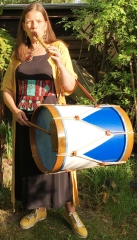
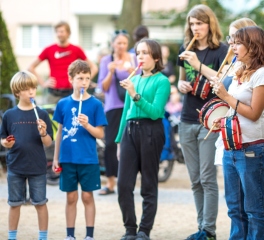
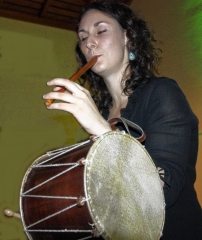
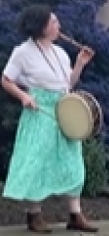 2022
2022 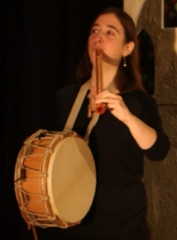

,_ancien_palais_%C3%A9piscopal,_ch%C3%A2telet_d'entr%C3%A9e,_salle_des_sir%C3%A8nes,_vo%C3%BBte_de_la_trav%C3%A9e_SO_2.JPG)




![[source]](https://en.wikipedia.org/wiki/Psalterium_(instrument)#/media/File:Espartenhas_-_Campestral_2016_au_Passage_d'Agen_(1).jpg)


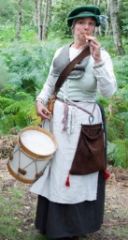
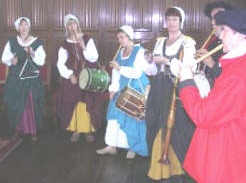
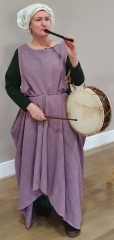
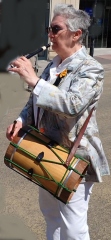
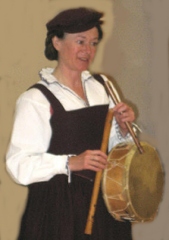
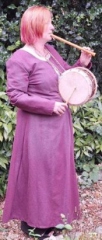
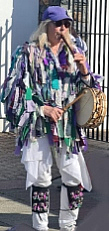
| The Taborers Society based in the UK has an international membership; one quarter of it's playing members are female. |
top of page