|
|
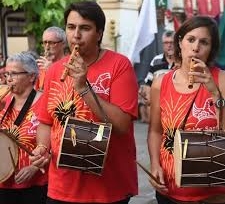
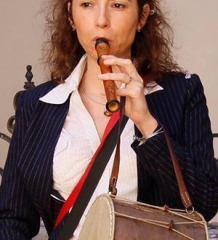
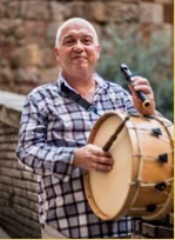
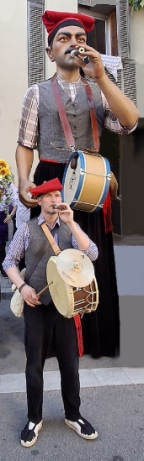
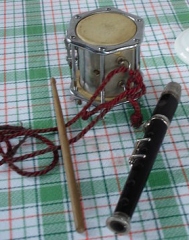
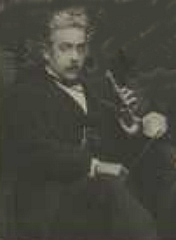
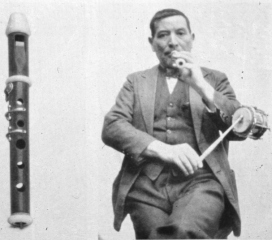
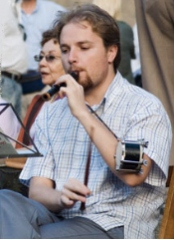
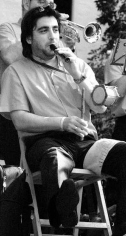
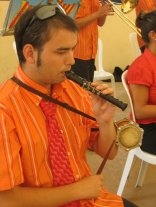
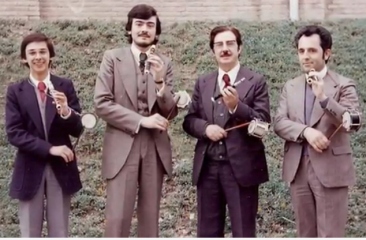
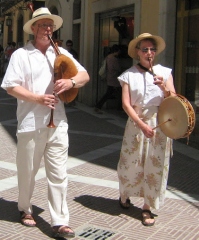
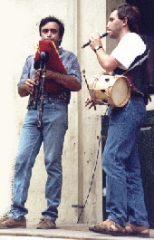
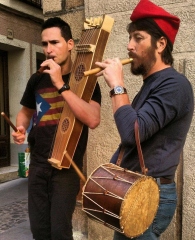
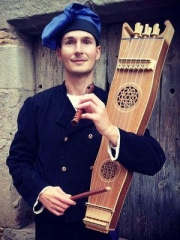
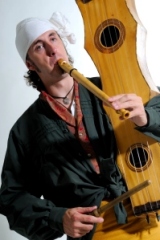
The pipe (flabiol); the player
is a flabiolaire.
Three keys were
added at the end of the
19th
century to improve the range of sounds:
Josep Plans came up
with a fourth key
in the 1950s.
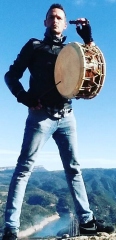
The drum is 'tambori'. |
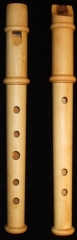 flabiol without keys flabiol without keys |
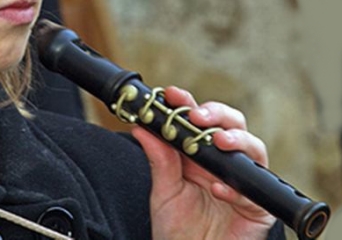 flabiol with keys flabiol with keys |
|
"...The flabiol and the drum
are
possibly
the most
successful
elementary
formation
in
Catalan
music.
This is due to its
presence,
without interruption,
since the 13th century"
More details in PDF here |
Ancient negative connotations were attributed to all types of woodwind instruments with beaks,
they were considered pagan,
for the lower castes, for the workers of the fields who were
considered to be uncivilized and illiterate.
The pipe is known by many names such as bafirol, fabiol, fabirol, fabriol, farabiol, fapiol, flariol,
flaviol, frabiol,
flobiol, floriol, fobiol, forbiol, frobiol, fluviol, furiol.
‘THE ORIGINS OF THE FLABIOL IN THE ANCIENT EUROPEAN CIVILIZATIONS THAT INHABITED THE IBERIAN PENINSULA’ |
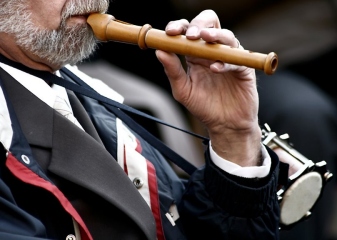
“The flabiol is unique among one-handed flutes because the five fingers are used to cover five
holes.
The great particularity is that the little finger works in the opposite way to the others.
The hole that it covers is on
the undersideof the instrument. This makes it different from all
three-hole flutes. It is also used with keys.
…
The flabiol and tamborí can also be used in instrumental groups of different characteristics
and genres: with violin,
early music groups, chamber music, folk dance, flabiol and piano, etc."
‘Instruments to build identities. Panorama of roots music in the Catalan Countries’ by Francesc Tomas Ayemrich
video video video |
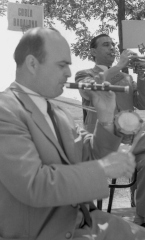
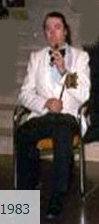
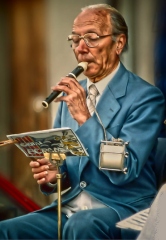
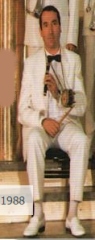
| Details of 20th century flabiolaires here |
Catalan music
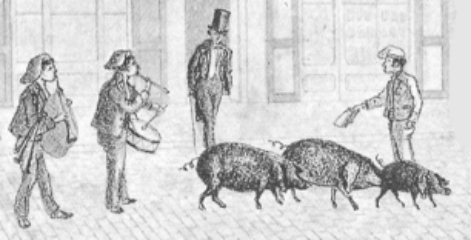
"All the riots of the old regime had been led by a musician, often a flabiolaire or bagpiper,
as if it were the
procession of authority
and dance. The musician had an obvious social
and, at the same time, emotional power,
so the church condemned them and wanted
to control them, because it needed them. That is why the popular
musician who played
the bagpipe or the flabiol was considered
dangerous and spokesman for the devil
at the party,
of lust, of excess. In witch trials, the devil always plays the flabiol .....
Many times the same musicians who play
instruments conducted by the chapel master
inside the
church are hired
under the name of cobla for street functions, |
|
|
|
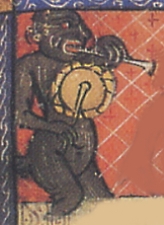
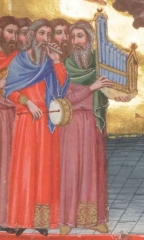
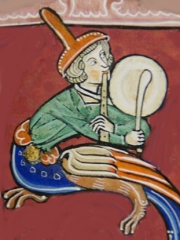 1268 Jewish player, Bible 1268 Jewish player, Bible |
|
|
|
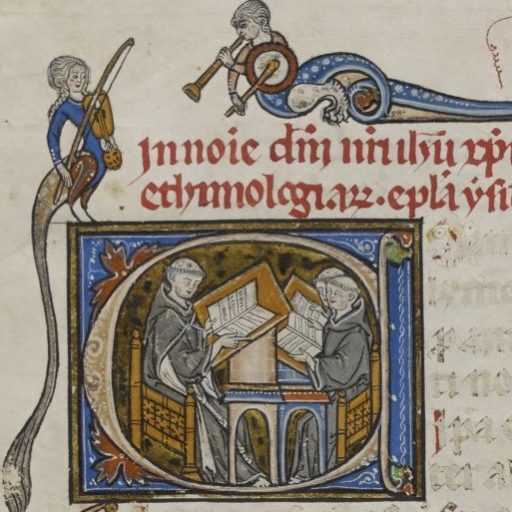
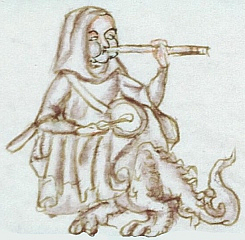
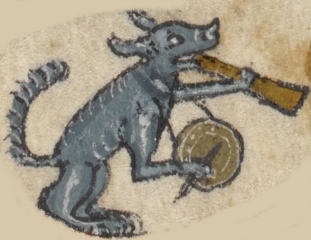 1325 manuscript [f25r] 1325 manuscript [f25r] |
|
|
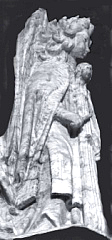
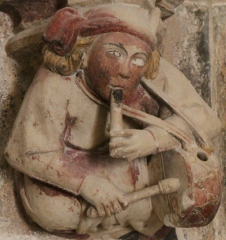
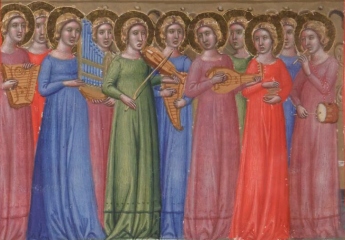
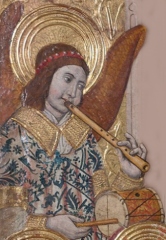
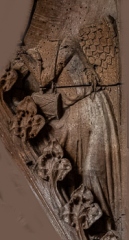 1350-1400 angel, choir stall back 1350-1400 angel, choir stall back
Girona Cathedral |
|
|
|
|
|
|
|
 |
|
 |
|
|
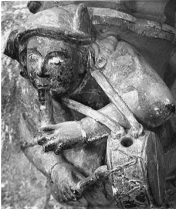
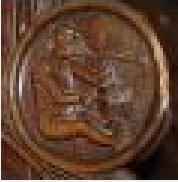 unknown date misericord unknown date misericord
Museum -
Sant Joan de les Abadesses
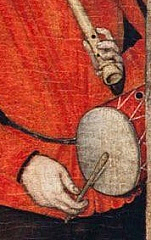
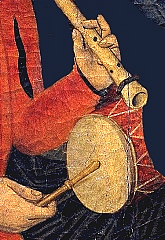
"Flutet with holes distributed over the body
of the instrument. The tabor is held by a rope
tied around the animal's left wrist, allowing it
to have its right hand free
to play with the wand.” |
|
|
|
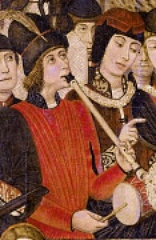
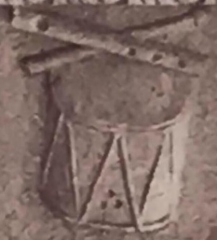 16th century church door panel 16th century church door panel |
 1580 fresco, Arties, Lleida province 1580 fresco, Arties, Lleida province |
|
“ the first representations of a person playing the flute-with-drum [is] in the 14th century....
Until the 17th century they appeared in cultured environments, but then we only find them in the popular sphere.”
source |
1557 Tortosa stick dance first documented
‘El Ball de Bastons d'Igualada, element de distinció festiva i de protocol (s. XVII-XX) by Daniel Vilarrúbias Cuadras ’ 2014 |
1615 comment on festivities
in Tortosa:
" But the happiness and delight such joyful news had created in their minds were most clearly seen
when the feast-day itself arrived since, not being able to abide such a long delay, from a week before,
a pipe and tabor played every day in the mornings and afternoons throughout the city, thus preparing
the mood for the celebration of the longer-for celebration.”
‘The soundscape of the ceremonies held for the beatification of St Teresa of Ávila in the Crown of Aragon, 1614’ by Tess Knighton, 2015 |
Barcelona “Onofre Baró and seven other companions came from Tortosa with their tamborino”
‘El Ball de Bastons d'Igualada, element de distinció festiva i de protocol (s. XVII-XX) by Daniel Vilarrúbias Cuadras ’ 2014 |
1687 ‘List of musical groups, comparses and individual singers that will participate in the Santa Tecla festivities
according to a memorial from the City Council’ Tarragona:
Juseph Bordas, de las Borjas, ab una flauta i tambor
Juan Figerola, del terme de Constantí, ab una flauta i tam[borino]
Silvestre Molle, de Alcobé, ab tamborino i flauta
Juan Molle, de Alcobé, ab tamborino i flauta
Pabuleda, de Monblanc, ab tamborino i flauta
Llaurador, de Móra, ab tamborino i flauta
Martí, del terme de Montagut, ab tamborino i flauta
‘El Ball de Bastons d'Igualada, element de distinció festiva i de protocol (s. XVII-XX)’ by Daniel Vilarrúbias Cuadras, 2014 |
 |
|
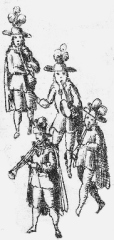
1677 procession, Barcelona |
|
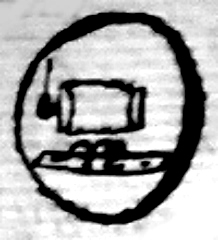 1707 heading of the funeral entry 1707 heading of the funeral entry
for Joseph Aregall |
|
1780 "The afternoon of Sunday is spent with a dance of
Contrapas and Sardana to the sound of the green creature,
flabiol and tamborino that some vassals and vassals of Albons did for fun in the plain;
it is in front of the moat,
church and castle
of the lord."
Rafael d'Amat i de Cortada, BAR^ DE MALDA, Calaix de Sastre. Vols. XXXXLV. Any 1780. Vegeu també Pere COROMINES,
Vida d'en Pep de la Tenora (Pep Ventura). Ed. Barcino. Col. Biblioteca Folklbrica Barcino. Vol. VIII. Barcelona, 1953 |
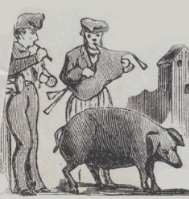
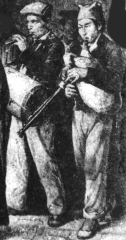
1797 ‘Travels Through Spain’ by Henry Swinburne Esq  ‘Historical Account Of The Most Celebrated Voyages, Travels, And Discoveries : ‘Historical Account Of The Most Celebrated Voyages, Travels, And Discoveries :
From The Time Of Columbus To The Present Period. 16’ by Mavor, William Fordyce |
|
|
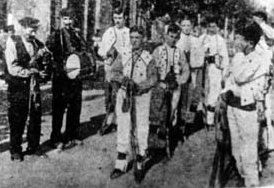
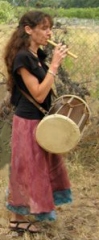 One of the Minstrels One of the Minstrels
of Roussillon north Catalonia |
|
|
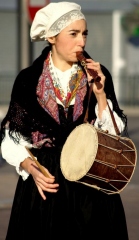 |
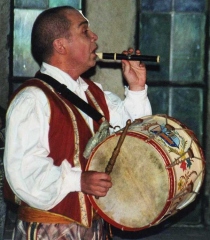 2008 2008 |
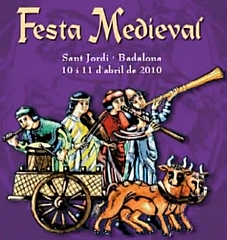 2010 poster 2010 poster |
|
|
|
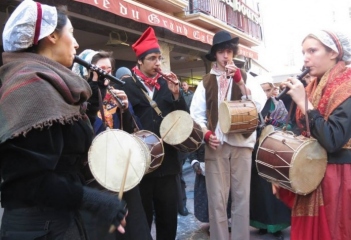 mixed gender group mixed gender group |
|
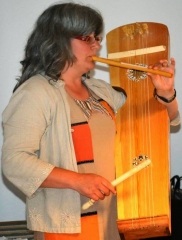
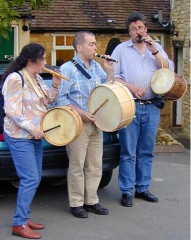
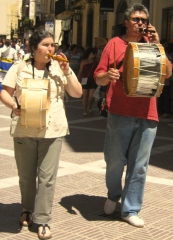
Teresa Mitjans and Carles Mas from Catalunya
playing the Flabiol and Bombo,
with Rafel Mitjans
playing
the Flabiol and Tambori.
Broad Camden, England,
at Taborers Society Symposium
June 8th 2000
c. Phil Day |
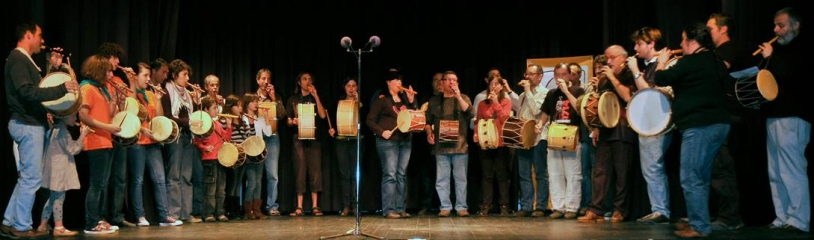 2013 flabiol festival 2013 flabiol festival |
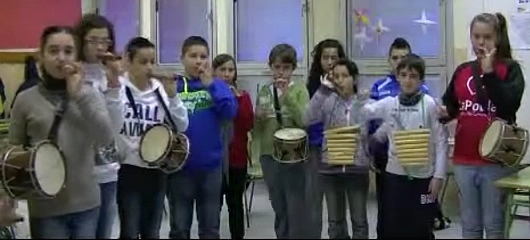 21st century children at school [14 schools teach the fabiol in the classroom] 21st century children at school [14 schools teach the fabiol in the classroom] |
|
|
| |
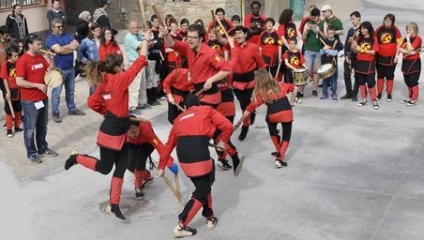
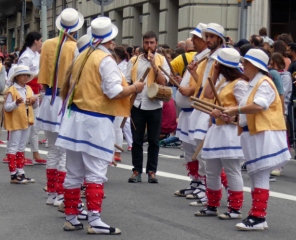
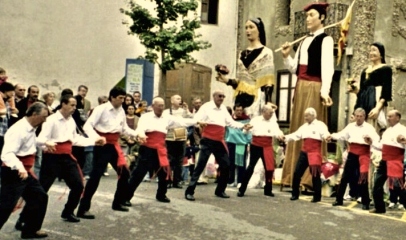
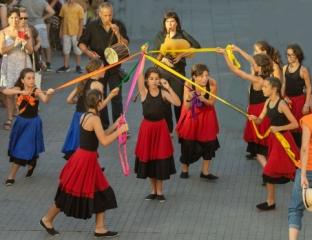
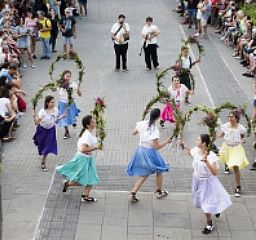
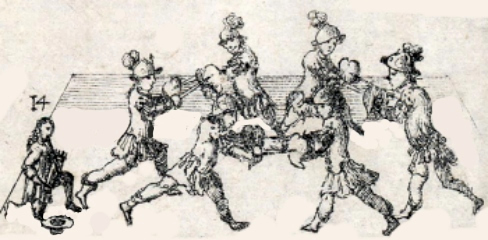
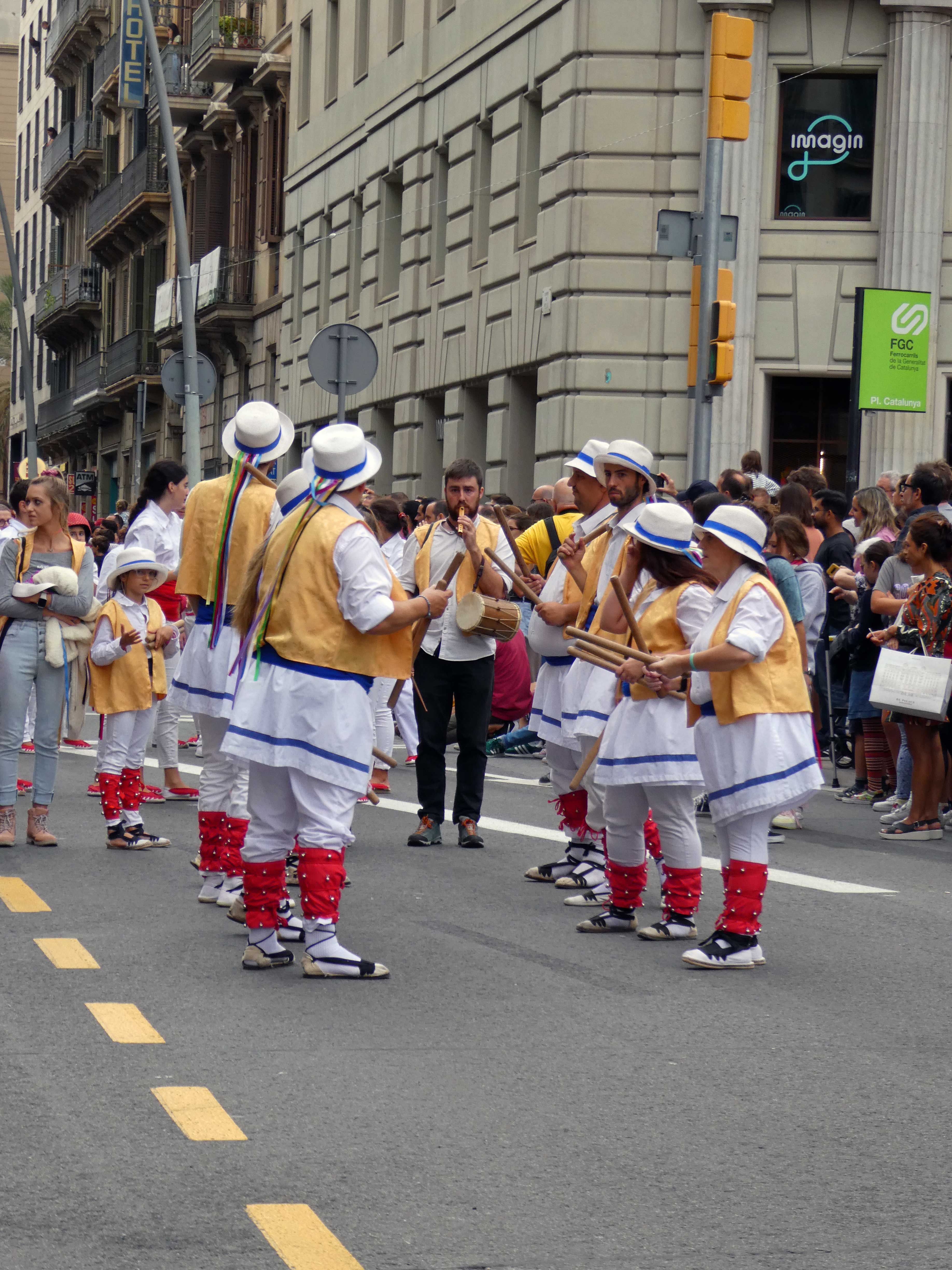
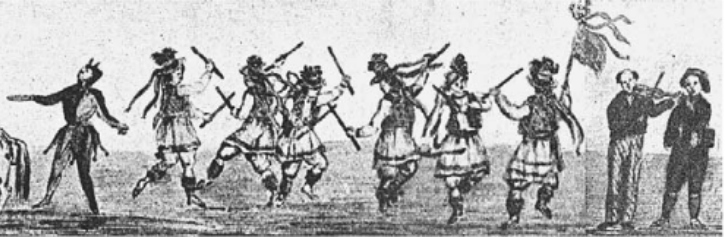
stick dances |
|
| |
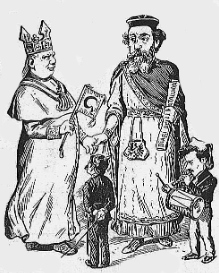
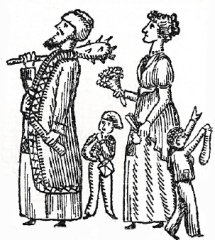
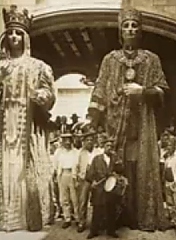
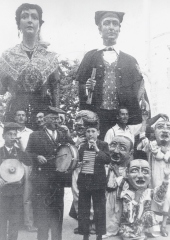
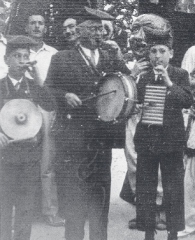
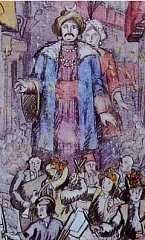
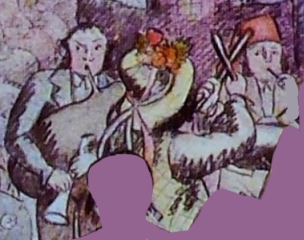
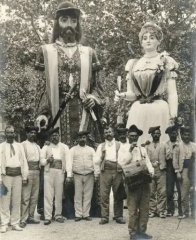
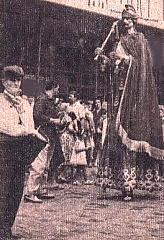
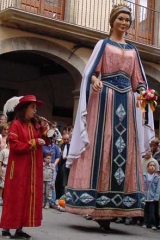
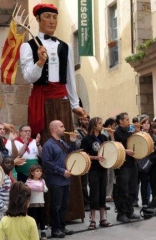
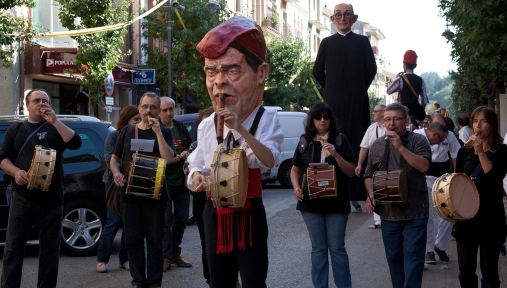
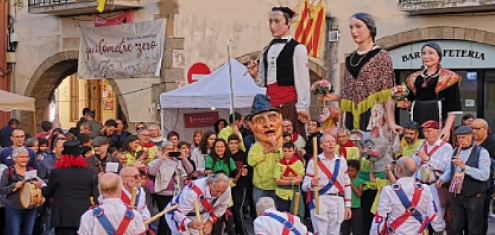
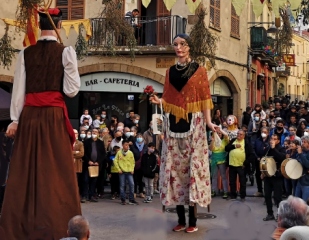
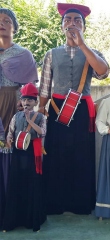
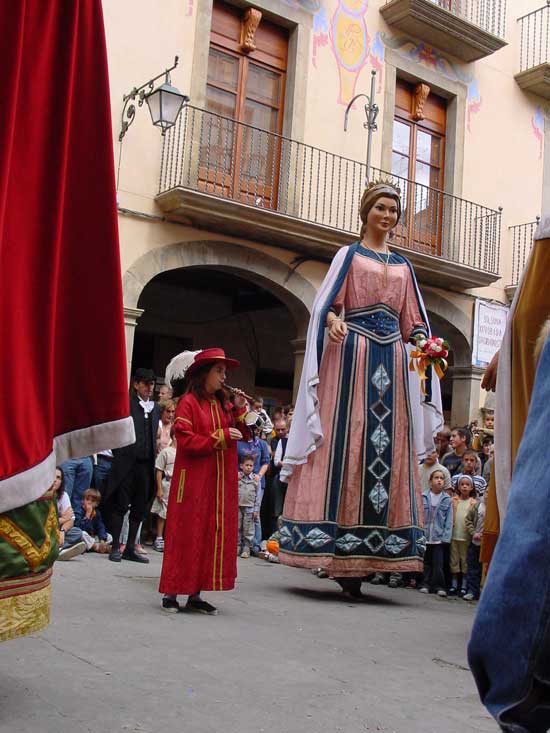
giants' procession |
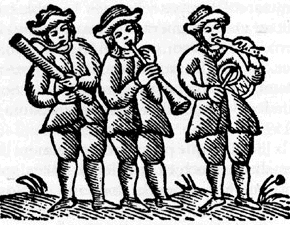
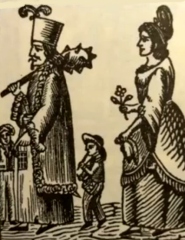 Giants' procession, woodcut Giants' procession, woodcut |
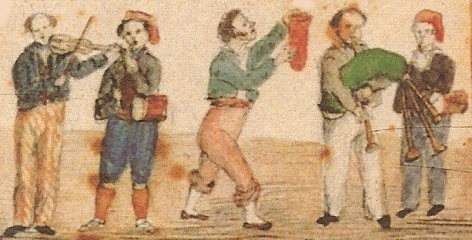
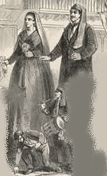 1870 Barcelona carnival 1870 Barcelona carnival
|
 end 19th century Figueres end 19th century Figueres
|
 end 19th century Figueres end 19th century Figueres |
|
|
| |
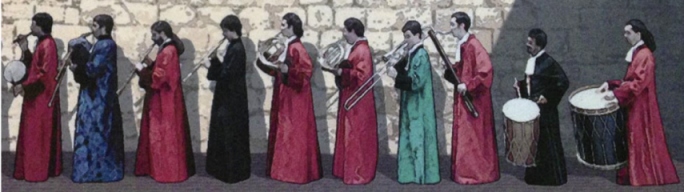
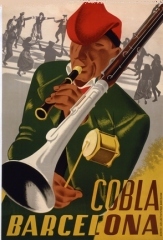
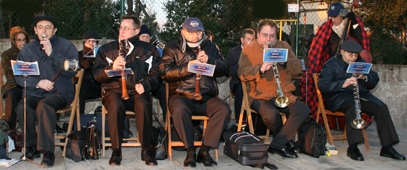
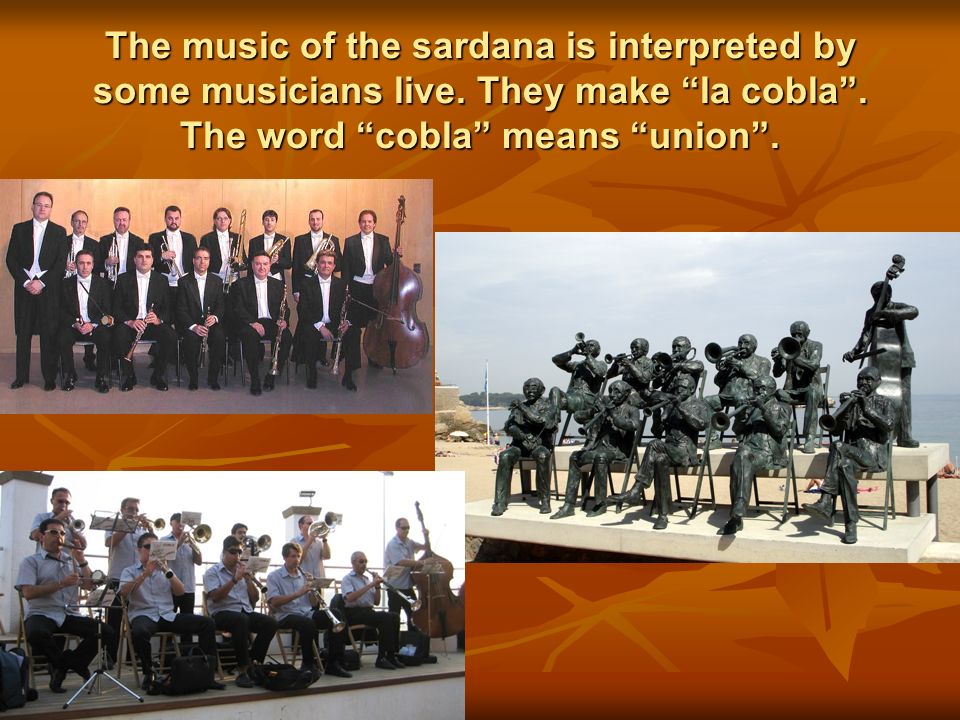
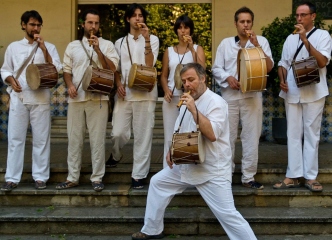
cobla (band): flabiol i tamborí |
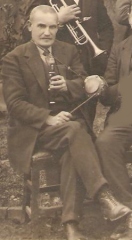
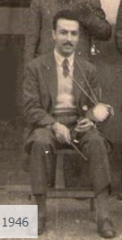
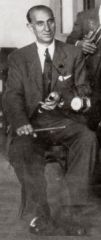
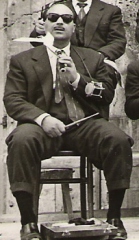
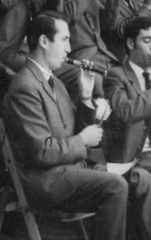
The band now consists of 11 players of mainly brass instruments including one pipe and tabor player.
The latter plays a small drum
of about 10 to 12 cm diameter, of wood or metal, and sits in the first row
on the extreme right of the band. [video here] The cobla
plays for the national dance, the sardana.
The music always starts with a solo from the flabiol player. |
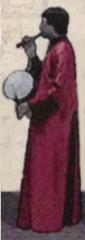
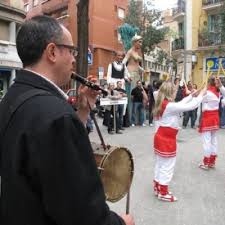
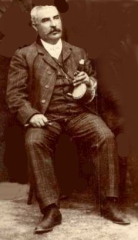
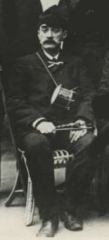
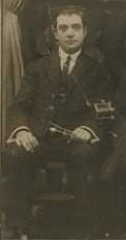
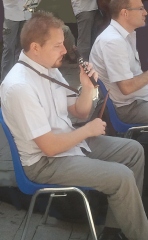
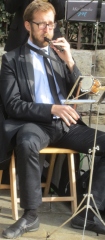
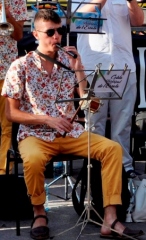
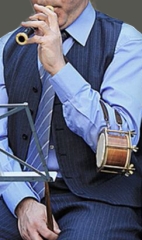 flabiolaire flabiolaire |
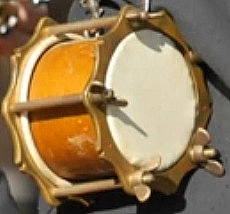 tambori tambori |
|
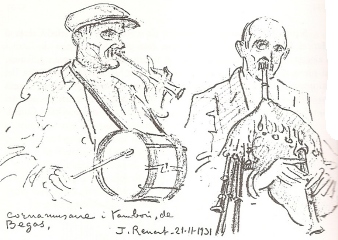
1755 Cobla de Banyoles included a player of the flabiol i tamborí. It was contracted, for seven
or eight
years, from 1757 to 1764, to reinforce the Singing Chapel in special circumstances at the price
of one hundred livres per year.
[Recorded in the accounts of The Chapter Acts and the Payment Register of the Girona Cathedral]
‘THE BROTHERHOOD OF THE ROSER OF VILANOVA DE PALAFOLLS (18TH-19TH CENTURIES). APPROACH
TO THE MUSICAL CONTEXT' by ANNA MARIA ANGLADA I MAS, 2015 |
|
|
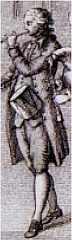 |
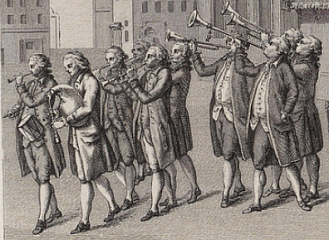
1780 cobla band in Roissillon, which is now part of France |
|
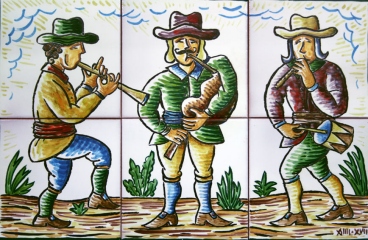 21st century copy of cobla band 21st century copy of cobla band |
|
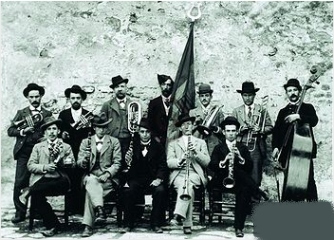 early 20th century cobla band early 20th century cobla band |
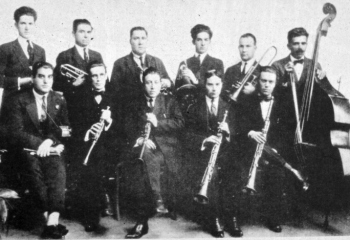 20th century cobla band 20th century cobla band |
|
|
|
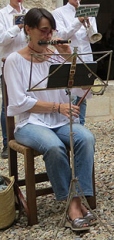 2017 female player 2017 female player
Festa Major de Sant Daniel |
|
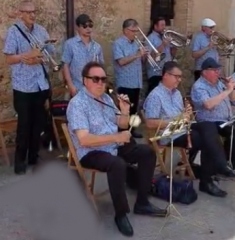 2022 2022 |
|
|
|
|
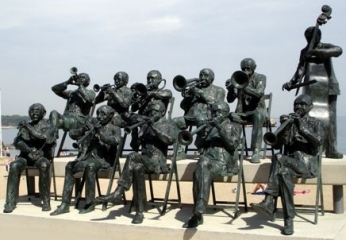 cobla statues at L'Escala, Costa Brava cobla statues at L'Escala, Costa Brava |
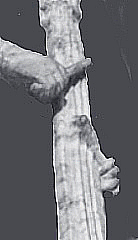
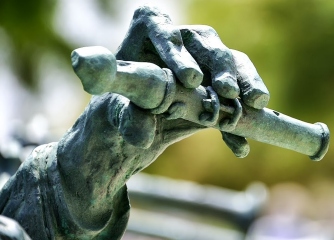 close-up of hand of flabiol player close-up of hand of flabiol player
|
| |
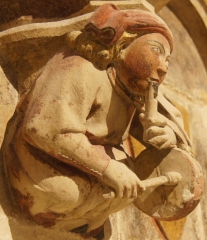
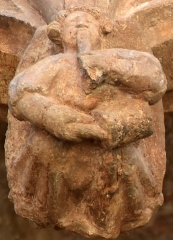
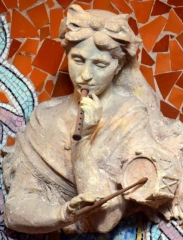
stone carvings |
|
 1400 Monastery of Santa Maria de Poblet, Barcelona (page 25) 1400 Monastery of Santa Maria de Poblet, Barcelona (page 25) |
|
|
|
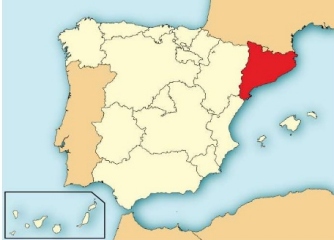
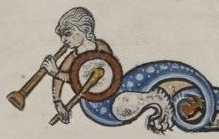







 logo used by