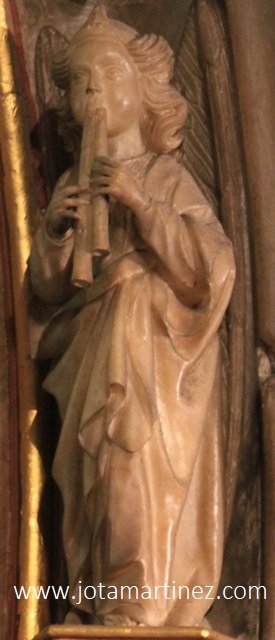
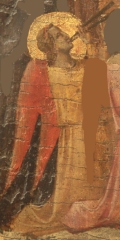
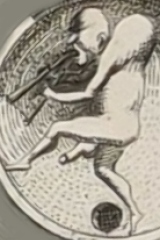
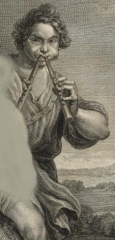
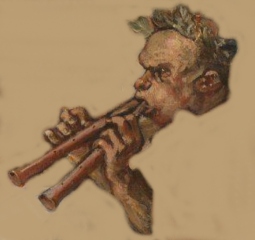
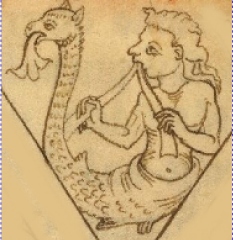
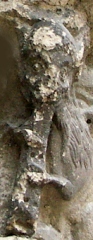
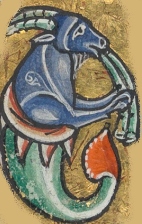
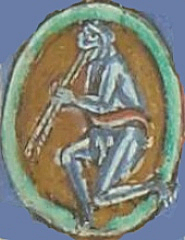
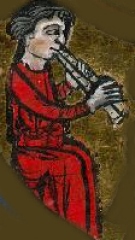
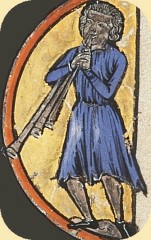
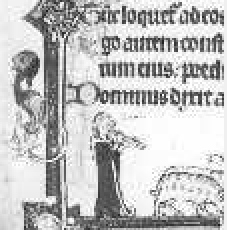
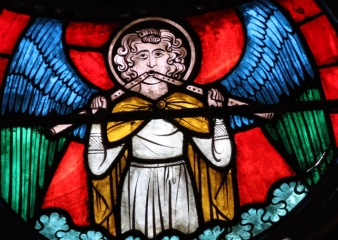
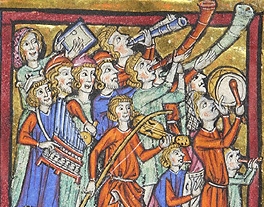
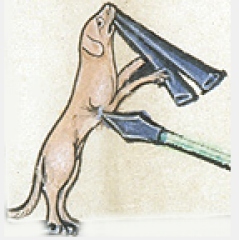
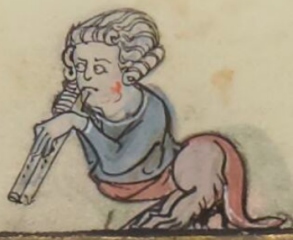
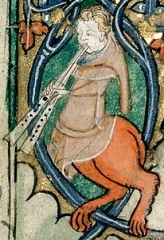
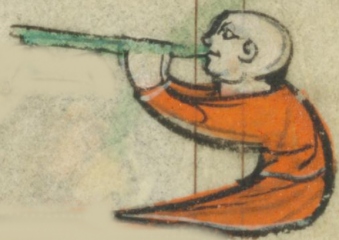
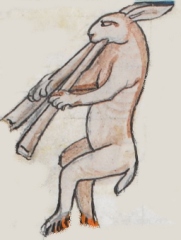
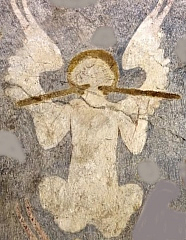
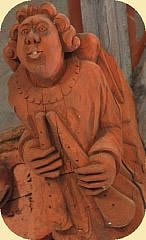
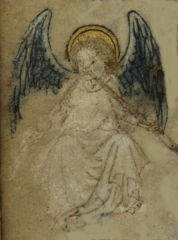
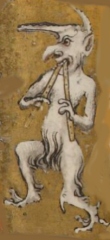
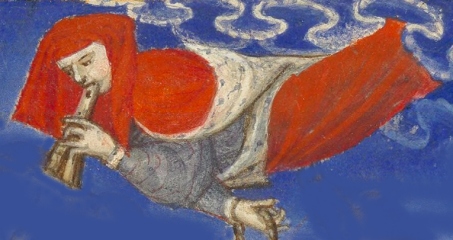
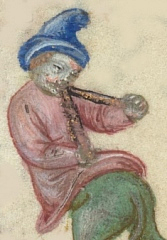
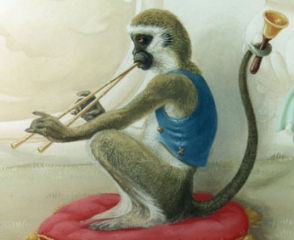
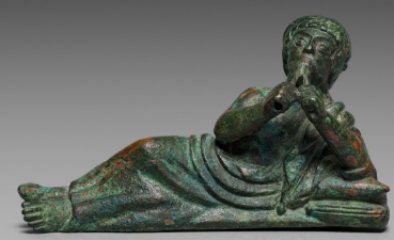
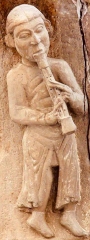
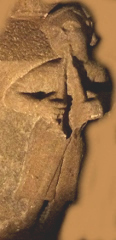
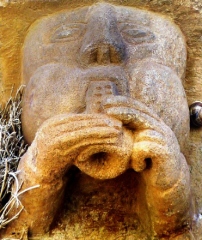
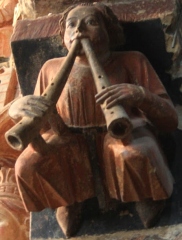
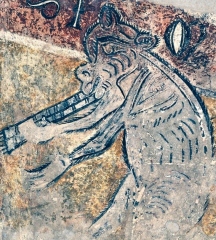
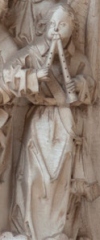
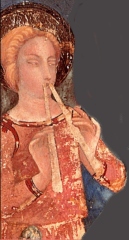
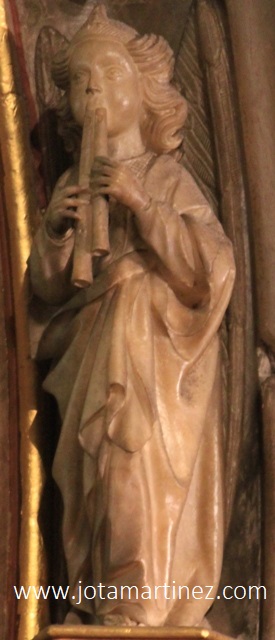
Double pipes, or two pipes played at the same time, are found in sculptures, paintings, stained glass, religious manuscripts and archaeology dating back into pre-history, right up to the present day. Sometimes the two pipes are exactly the same; other images show two slightly different shapes, often one playing the tune and the other a drone pipe. These images are drawn from reality as well as fantasy.
It is impossible to see the mouth-piece on some of these images: some may be duct flutes, others may have single or double reeds or be trumpets. If you have information on the mouth-piece of any of these instruments I would be grateful to know.
| |

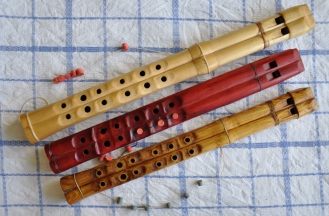
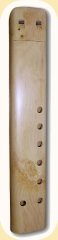
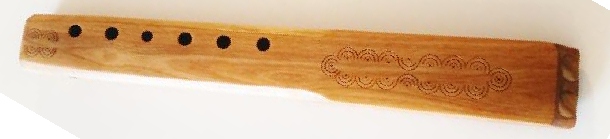
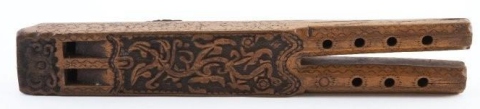
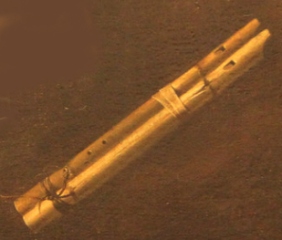
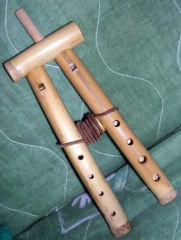
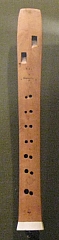
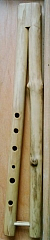
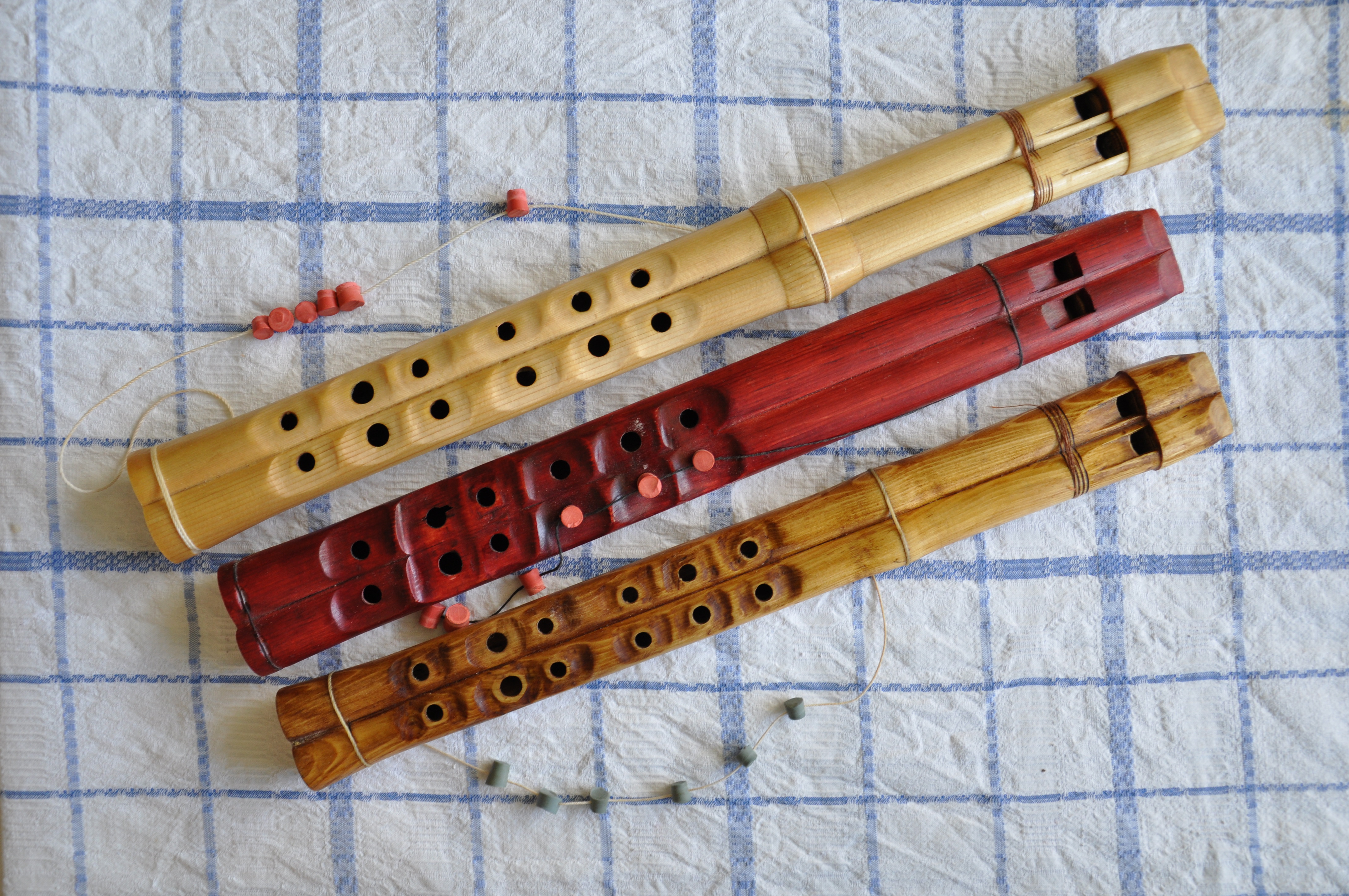
Duct flute in light wood, with a brass ring at the lower end, pierced with 2 channels. Sound generation
by 2 bevels,
placed at unequal heights. 6 double play holes (5 + thumb), plus 2 holes in the bottom.
Gives a scale of B minor, at A=440 Hz. unknown origin |
| |
Greece and area |
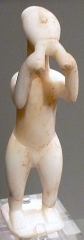 2800-2300BCE marble 2800-2300BCE marble
statuette Keros, Greece |
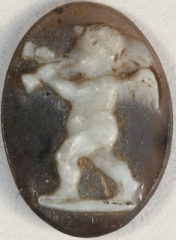
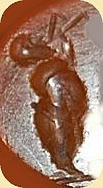 pre-history, cornelian intagio pre-history, cornelian intagio
(carved jewel)
|
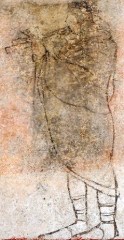 350-330BCE Greek 350-330BCE Greek
tomb painting |
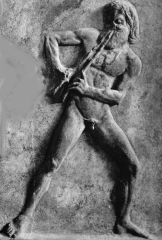 350BCE - 320BCE base of a sculpture 350BCE - 320BCE base of a sculpture
from Mantineia |
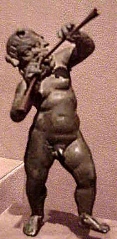 3-2BCE bronze statue 3-2BCE bronze statue |
|
|
|
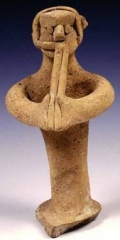 Cyprus unknown Cyprus unknown |
|
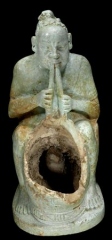 26th Dynesty, statuette, Cyprus 26th Dynesty, statuette, Cyprus |
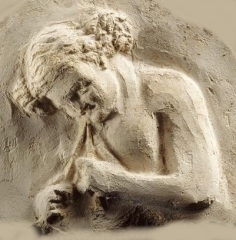 unknown unknown |
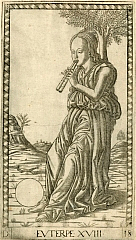
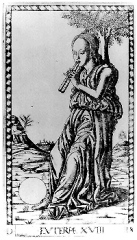 tarot card tarot card |
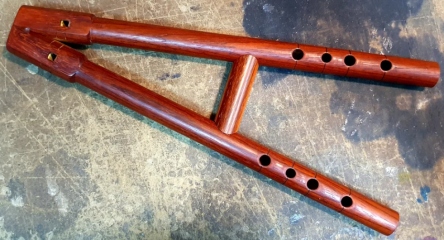 21st century replica 21st century replica |
| |
 ancient Greek replica, from solid piece of Greek olive wood with mulberry mouthpiece ancient Greek replica, from solid piece of Greek olive wood with mulberry mouthpiece |
| |
|
Turkey |
 early 20th century early 20th century |
| |
Croatia and area |
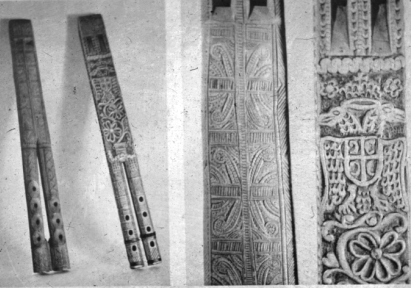
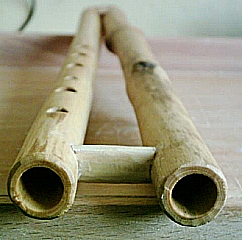
In all parts of Croatia, double pipes almost regularly had four to five selection holes on the right side, and three to four on the left, while similar ones played in some parts of Bosnia and Herzegovina, and in Serbia they had a reverse arrangement of holes,
so on the left side more, and on the right less. Also, none of the doubles from Croatia had holes on the underside,
ie facing the player.
[source] |
|
|
|
|
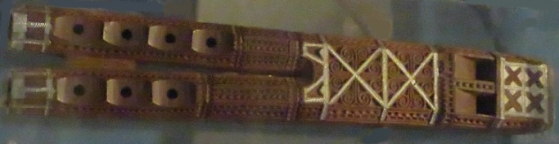 1895 dvojnice Bosnia [Horniman Museum] 1895 dvojnice Bosnia [Horniman Museum] |
|
|
|
|
|
|
|
|
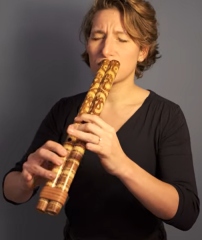 2021 Veronika Vitazkova 2021 Veronika Vitazkova |
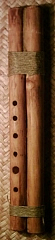
dvojačka, also called dvojačky
A combination of a 6-hole shepherd’s
flute with an overtone flute. A player
blows simultaneously to both pipes,
one of them having a function of a
melodic pipe, the other playing a
constant drone |
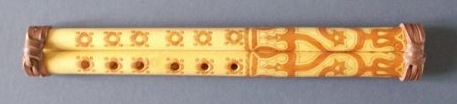 double pipe from Detva double pipe from Detva |
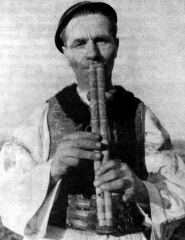 dvojačka dvojačka |
|
|
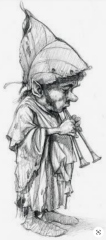
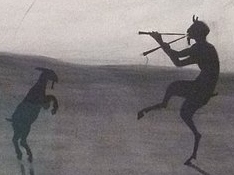 20th century fantasy art 20th century fantasy art |
|
|
|
The Stenlundapipa is a refinement of the double flute
in which the tone of the drone pipe can be varied.
The flute comprises two pipes in one unit, both
of which are tuned in a major key. One of the
pipes is equipped with small corks that can be
used to close the desired number of finger holes.
It is made in three different sizes: C, A, and G. |
 |
|
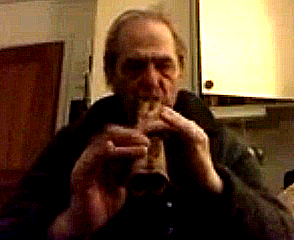 player player |
|
|
|
|
|
|
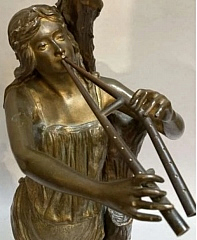
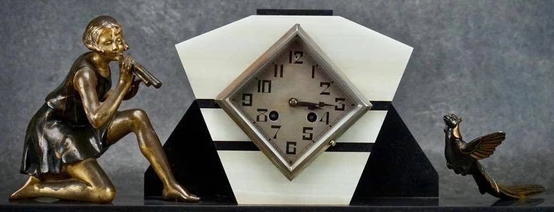
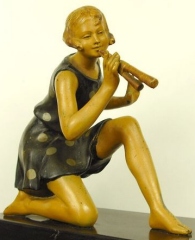
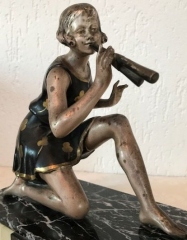 1930's Georges Maxim clock figurines 1930's Georges Maxim clock figurines |
|
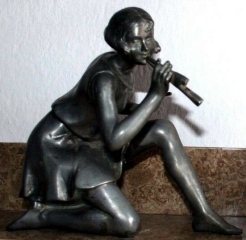 |
|
 |
|
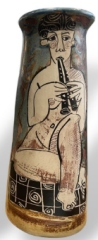 1950' 1960's vase 1950' 1960's vase |
|
Around 1950, a writer from Retjons, (a commune in the Landes department in Nouvelle-Aquitaine),
confirmed the existence of this typically Landes style of playing:
"… We also had flute players at dances, some of whom used two instruments at once, one in each hand…". |
|
|
|
|
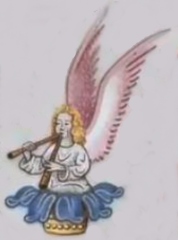 2025 medieval style manuscript 2025 medieval style manuscript |
|
|
|
| |
Austria |
|
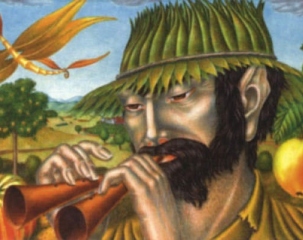 1966 painting 1966 painting |
|
| |
Germany |
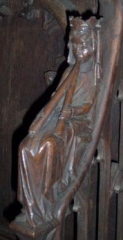 1370 wood carving 1370 wood carving |
 15th century manuscript 15th century manuscript |
 1457 painted altarpiece, Marienfeld, North Rhine-Westphalia 1457 painted altarpiece, Marienfeld, North Rhine-Westphalia |
|
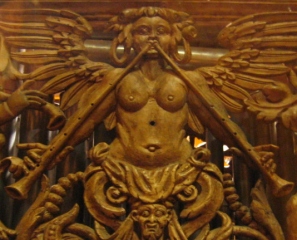 Neuburg an der Donau (Central Bavaria) Neuburg an der Donau (Central Bavaria) |
|
|
 1580 putto, book decoration 1580 putto, book decoration |
 1599 painting 1599 painting
[double pipe or bagpipe?] |
|
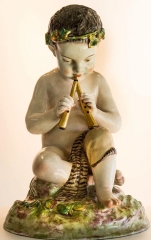 Dresden statuette? Dresden statuette? |
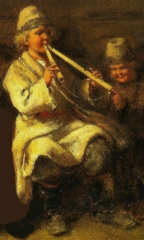 1879 painting of children 1879 painting of children |
 1897 design book page 25 1897 design book page 25 |
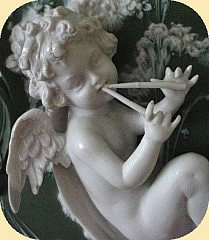 20th c. putto, Volkestedt porcelain 20th c. putto, Volkestedt porcelain |
|
|
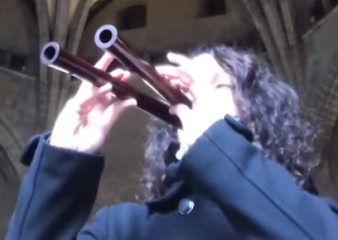
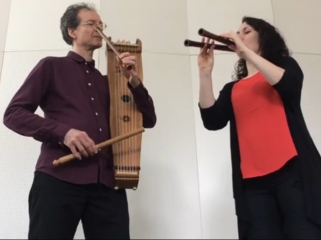 21st century female player, Germany 21st century female player, Germany |
|
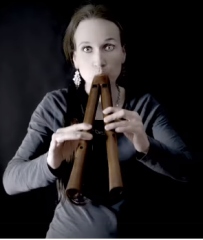 2023 Jessy Basu Dortmund 2023 Jessy Basu Dortmund |
| |
Italy |
|
 6th century BCE Sicily 6th century BCE Sicily |
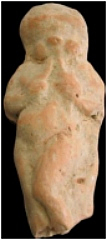 4th century BCE Sicily 4th century BCE Sicily |
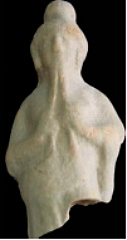 3rd century BCE Sicily 3rd century BCE Sicily |
|
from: TERRACOTTA FEMALE MUSICIANS FROM THE SANCTUARY
OF FONTANA CALDA (SICILY)
by Angela BELLIA |
|
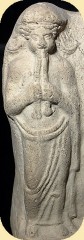 400-300BC Etruscan 400-300BC Etruscan
votive model |
|
|
|
|
|
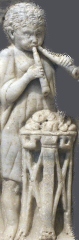 150 CE side of
marble funerary urn 150 CE side of
marble funerary urn |
 2nd century AD side of roman sarcophagus 2nd century AD side of roman sarcophagus |
|
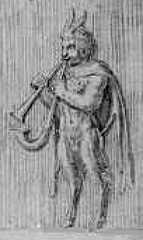 Ancient Roman
sarcophagus drawing
made in 16th century Ancient Roman
sarcophagus drawing
made in 16th century |
|
|
|
|
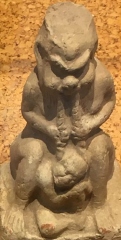 God Bes, 3rd century BCE,Tharros, Sardinia God Bes, 3rd century BCE,Tharros, Sardinia |
 God Bes, 3rd century BCE,Tharros, Sardinia God Bes, 3rd century BCE,Tharros, Sardinia |
|
|
|
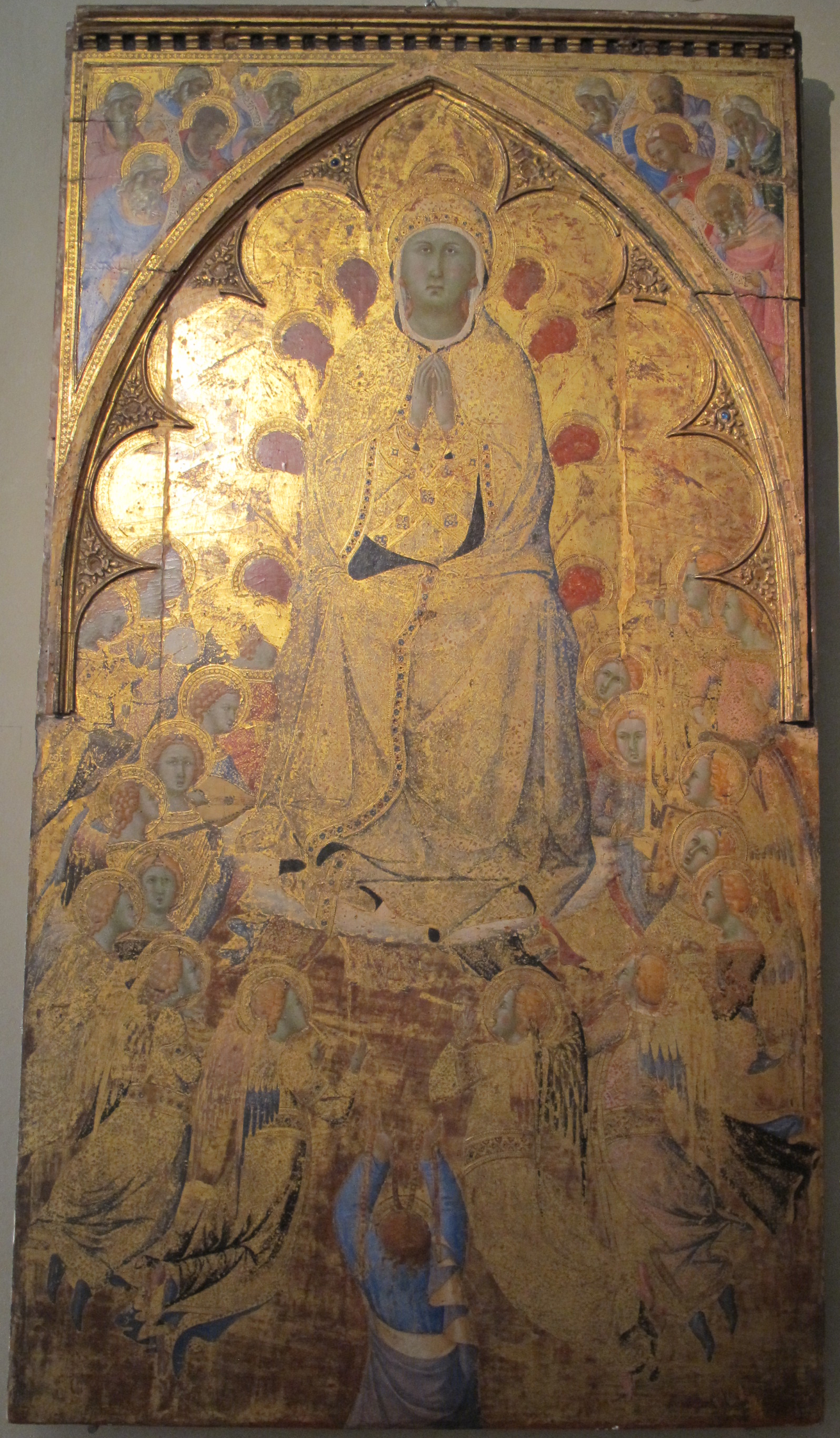
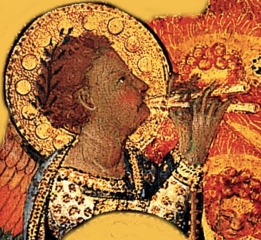 1380 altarpiece Siena 1380 altarpiece Siena |
|
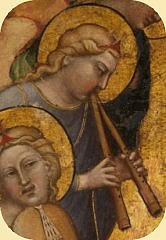 1395 by Aretino 1395 by Aretino |
|
|
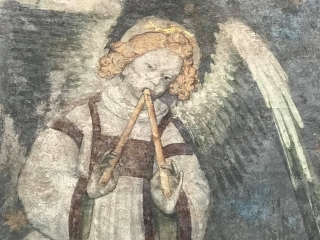
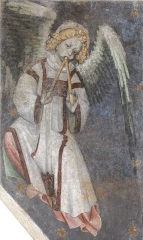 1415 fresco fragment, Turin 1415 fresco fragment, Turin |
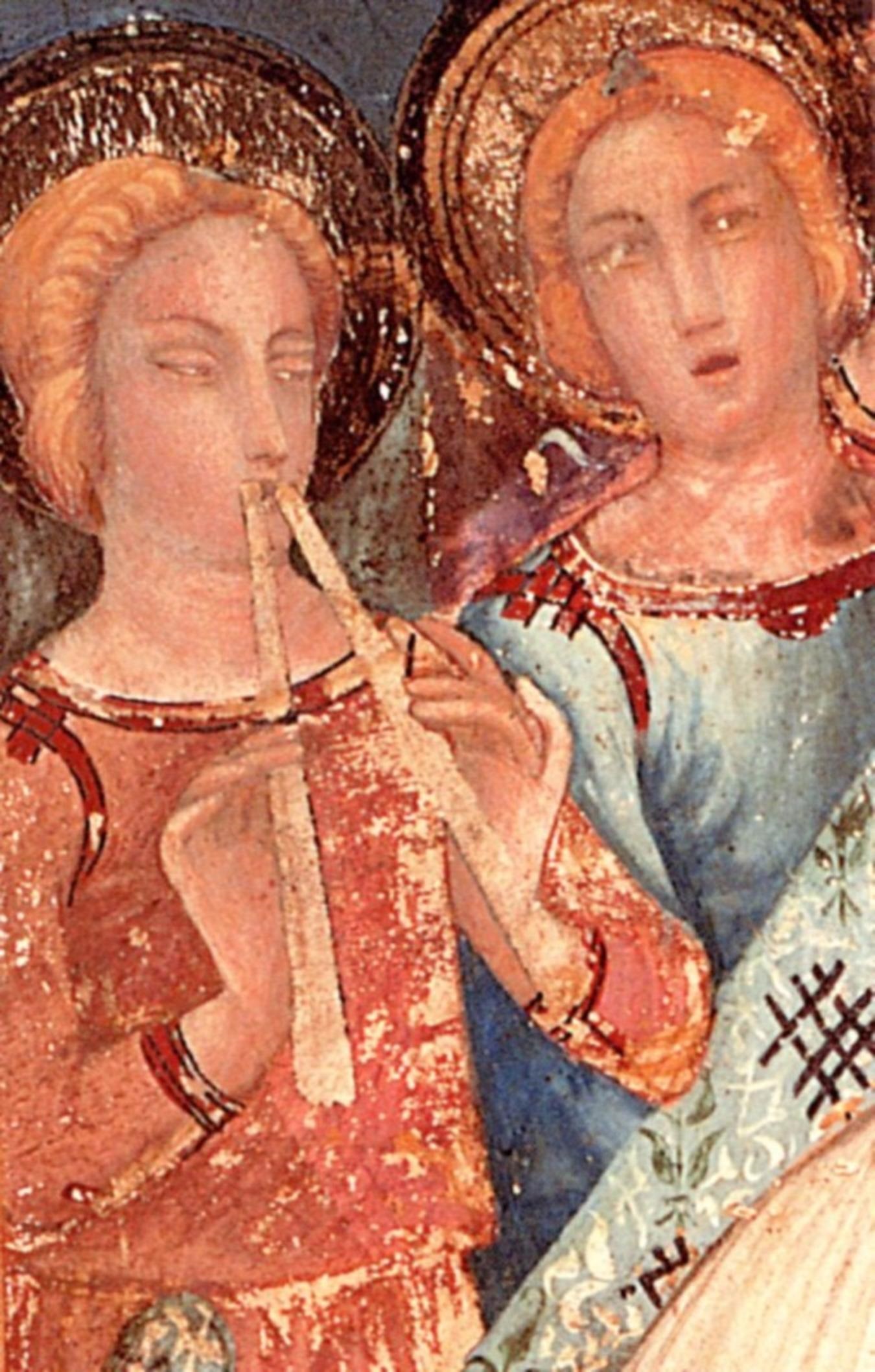
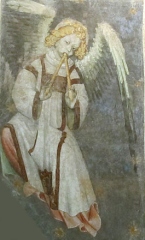
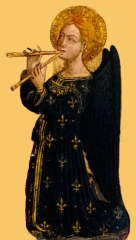 1419 part of an angel band; 1419 part of an angel band;
originally in Church of San
Nicolò lo Reale, Palermo, Sicily |
|
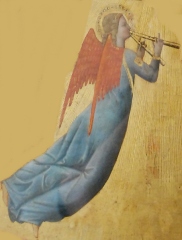 early 15th century Siena early 15th century Siena |
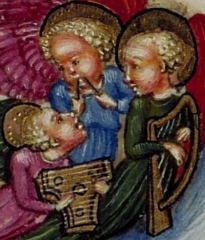 1430 manuscript, Milan 1430 manuscript, Milan |
|
|
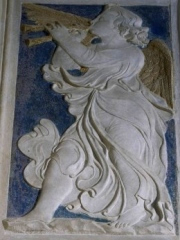 1449-1456 Bas-relief angel 1449-1456 Bas-relief angel
painted limestone |
|
|
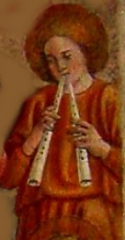 1468 Spechi Abbey, Rome 1468 Spechi Abbey, Rome |
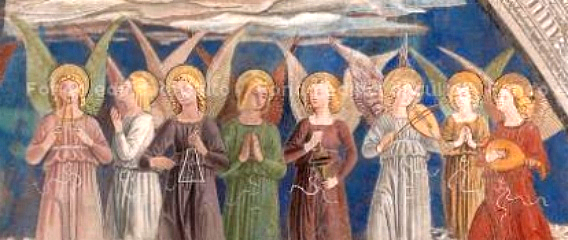 1469 angel band, Holy Mary of Truth, Viterbo, Lazio 1469 angel band, Holy Mary of Truth, Viterbo, Lazio |
 1470's Mantua, Italy [possibly double reed 1470's Mantua, Italy [possibly double reed
with circular breathing] |
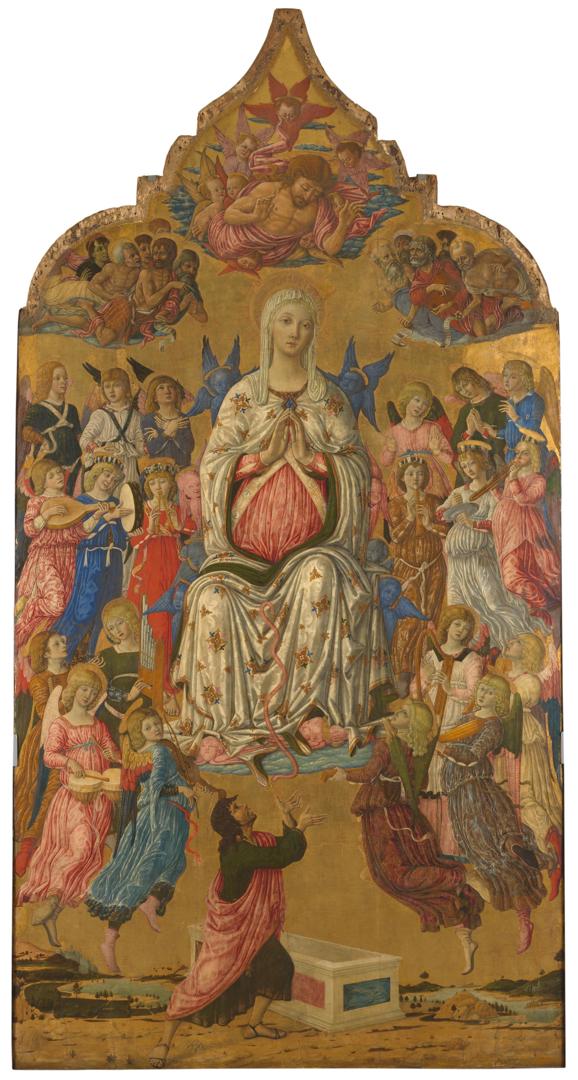
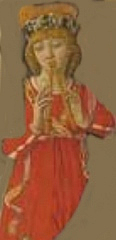 1474 altarpiece, Asciano 1474 altarpiece, Asciano |
|
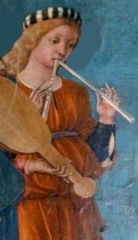 1491 Tuscany 1491 Tuscany |
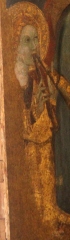 1495Abatellis Palace 1495Abatellis Palace
Palermo, Sicily |
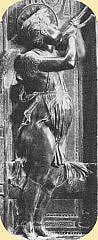
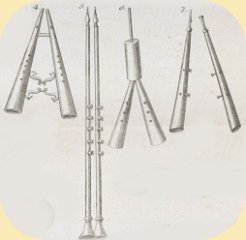
 1493 double duct pipes in bronze, tomb of Sixtus IV, allegory of 'music' [image 4a] 1493 double duct pipes in bronze, tomb of Sixtus IV, allegory of 'music' [image 4a] |
15th century: the upper
triangle
of the
episcopal
throne in Orvieto Cathedral, Umbria;
includes an angel
on a double flute |
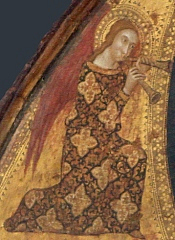 15th century Abatellis Palace 15th century Abatellis Palace
Palermo, Sicily |
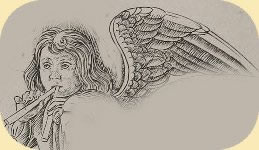 1485-95 Florence, print 1485-95 Florence, print |
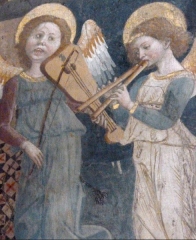 15th century Atri Cathedral, Abruzzo 15th century Atri Cathedral, Abruzzo |
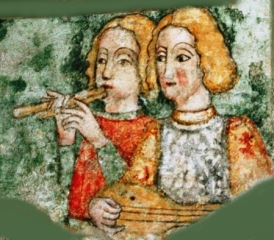 15th century Novara 15th century Novara |
|
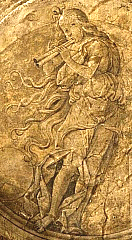 c.1500 Euterpe, painted ceiling, Cremona c.1500 Euterpe, painted ceiling, Cremona |
|
|
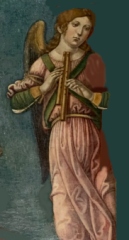 1510 angel, painting,
Tuscany 1510 angel, painting,
Tuscany ; |
 1510 close-up of instruments 1510 close-up of instruments |
|
|
|
 16th century drawing
© The Fitzwilliam Museum 16th century drawing
© The Fitzwilliam Museum |
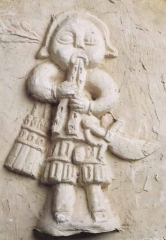 17th century Church of San Bachisio Bolotana 17th century Church of San Bachisio Bolotana
Nuoro, Sardinia |
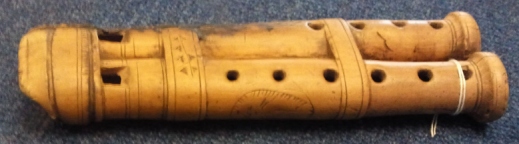
“The Calabrian double recorder is characterized by protruding beaks (which make it easier to hold with the teeth)
and big holes on the back or front which are used to tune the two pipes to each other. This instrument exists in two
types, of which the first is more common: 1) a pair of pipes of the same length and diameter, usually held close
and parallel to each other; 2) diverging pipes of different length and diameter. The double recorder is common in Calabria; “
‘Musical Instruments in A 1592 Inventory of The Marquis Ferdinando D'alarçon’ by Alberto Mammarella |
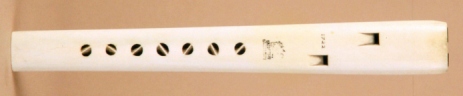 1722 Milan, Italy Anciuti workshop 1722 Milan, Italy Anciuti workshop |
 flute d'accord with key [Venice] flute d'accord with key [Venice] |
|
|
|
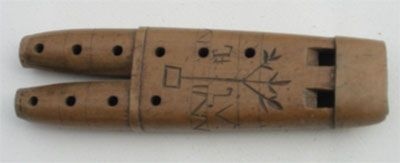 unknown, possibly southern Italy unknown, possibly southern Italy |
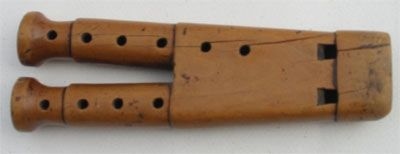 unknown, possibly southern Italy unknown, possibly southern Italy |
|
|
|
|
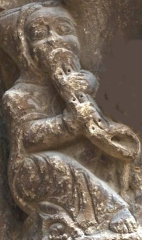 Biota, Zaragoza, Aragon Biota, Zaragoza, Aragon |
 in the chancel, Ansemil, Silleda, Galicia in the chancel, Ansemil, Silleda, Galicia |
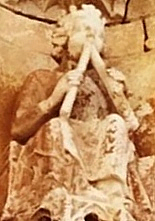 13th century Sasamón 13th century Sasamón |
|
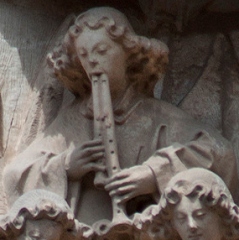 stone carvings Toledo Cathedral stone carvings Toledo Cathedral |
|
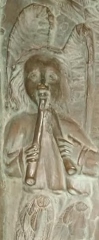 14th century 14th century
Guadalupe, Extramadura
bronze door (part)
|
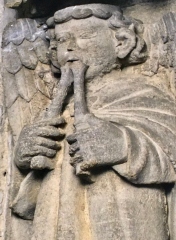 14th/15th century 14th/15th century
Pamplona |
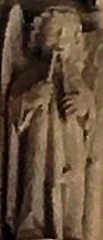 14th/15th century 14th/15th century
Pamplona |
|
|
|
|
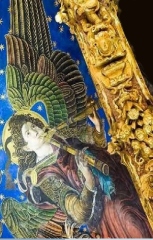 15th century Valencia Cathedral 15th century Valencia Cathedral
[possibly double reeds]
|
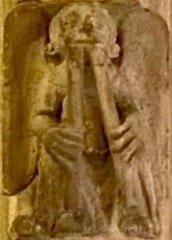 Morella Basílica Arxiprestal de Santa Maria la Major,Valencia Morella Basílica Arxiprestal de Santa Maria la Major,Valencia |
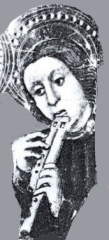 15th century, part of angel band, fresco 15th century, part of angel band, fresco
Colegiata de Santa María
de Calatayud, Zaragoza |
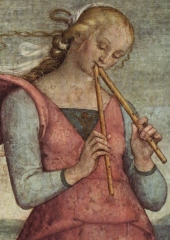 15/16th century Giovanni Di Pietro 15/16th century Giovanni Di Pietro |
|
 Royal Palace of Madrid tapestry Royal Palace of Madrid tapestry |
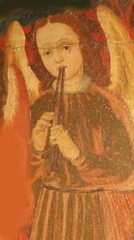 second half 16th century, Majorca second half 16th century, Majorca |
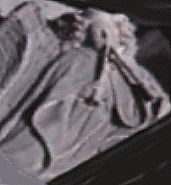 |
|
 1722 musical instruments book 1722 musical instruments book |
|
1698
star vault of the chapel of the Palau Boixadors-Dalmases
on Carrer Montcada, Barcelona |
|
|
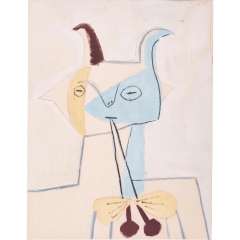
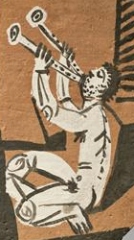
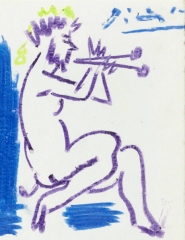 after 1954 Picasso 'Faun with Pipes’ drawing after 1954 Picasso 'Faun with Pipes’ drawing |
|
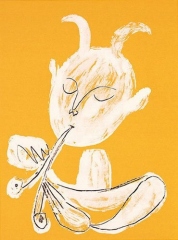 1958 'White Faun' oil painting by Picasso 1958 'White Faun' oil painting by Picasso |
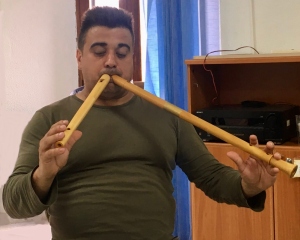 2022 Ayuntamiento De Nuñomoral, Extremadura 2022 Ayuntamiento De Nuñomoral, Extremadura |
 2024 Ignacio Benito, La Rioja 2024 Ignacio Benito, La Rioja |
| On Ibiza Toni Planas, an elderly sonador sometimes plays two three-holed flutes together, without the drum, but it is unclear whether this is a lonely survival of ancient practice, or an individual whim. |
|
|
|
|

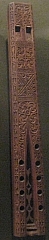

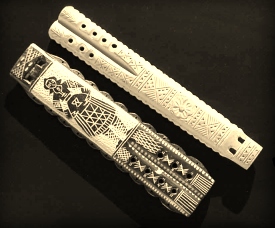
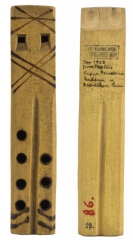
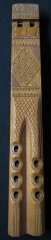


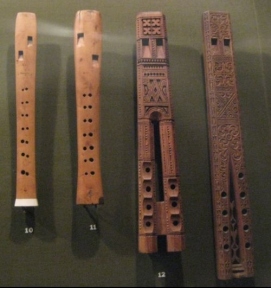
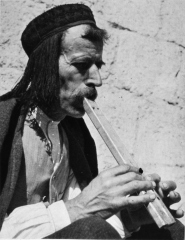
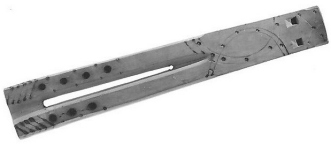
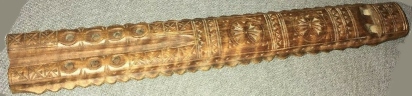
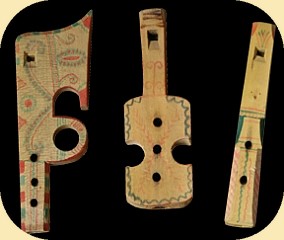
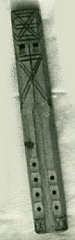
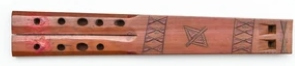
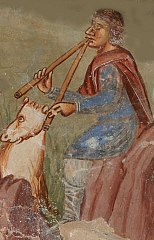
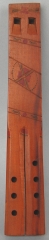
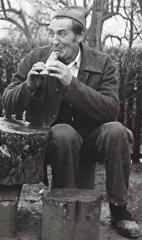
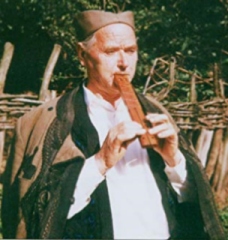
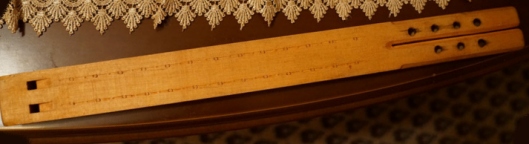

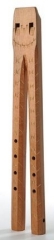
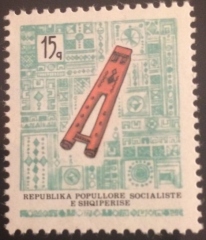
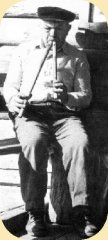
 Dvoyanka
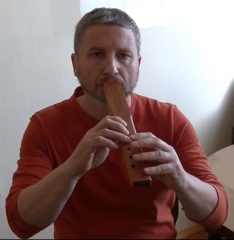

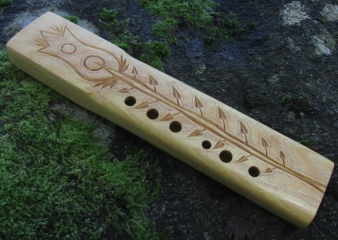 made by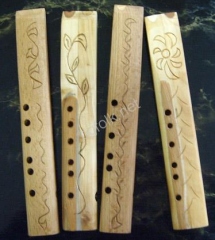
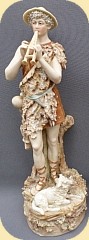
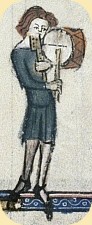
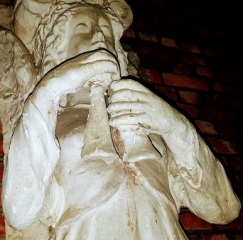
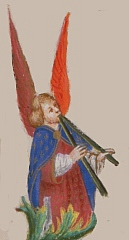

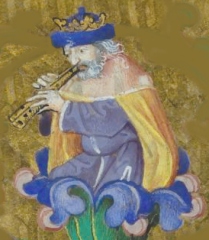

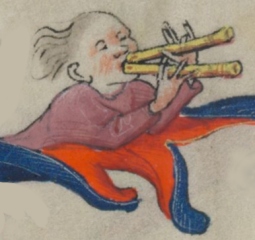
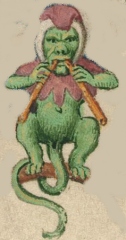
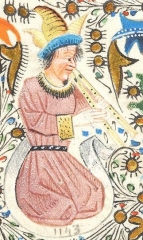
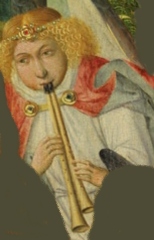





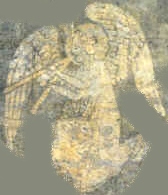
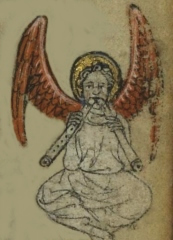
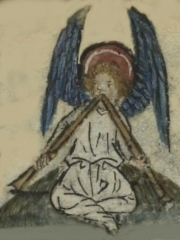
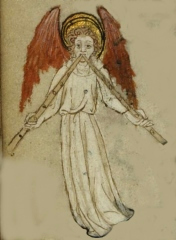
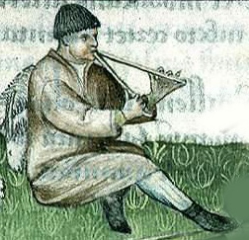
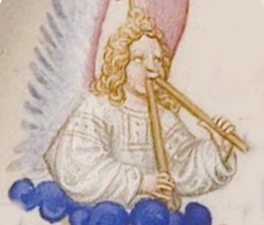
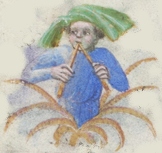
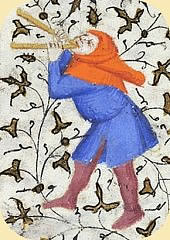

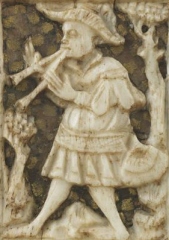
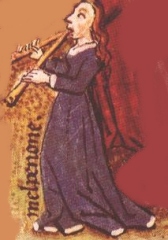
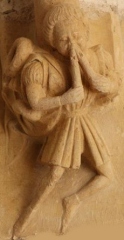
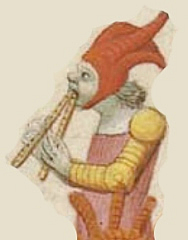
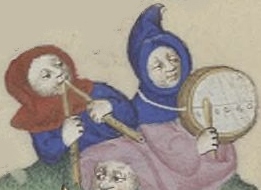
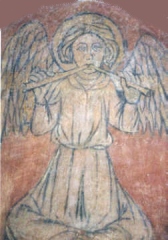
 15th century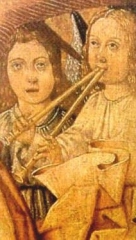
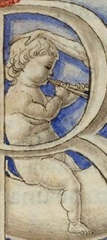
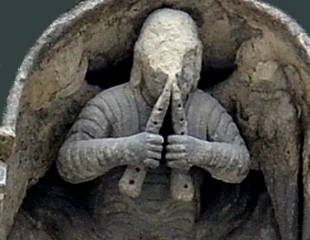

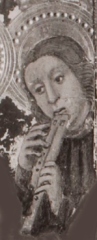
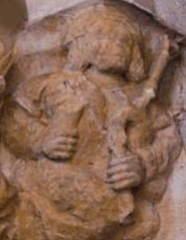
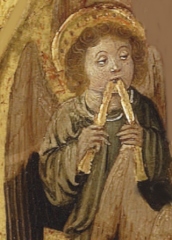


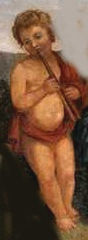

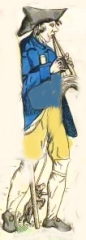

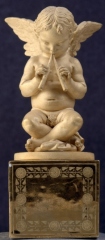
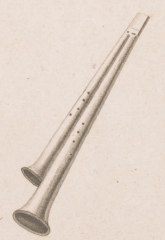
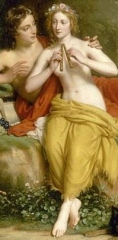
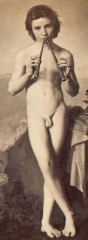
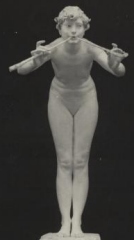

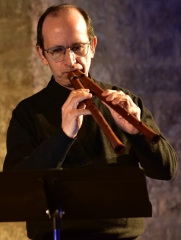
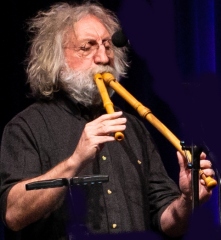
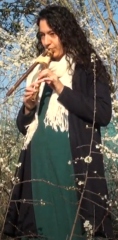
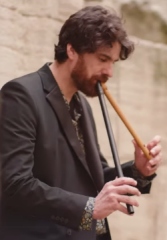



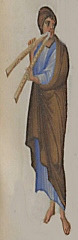
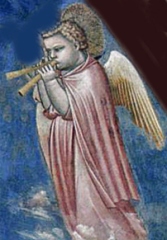
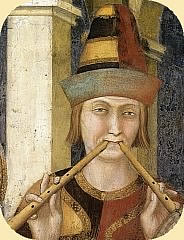
 1338
1338 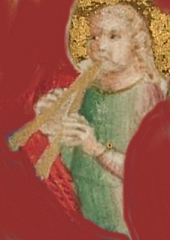
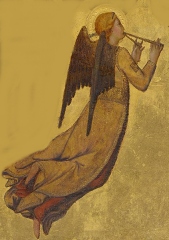
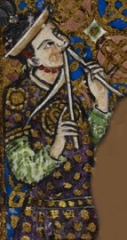
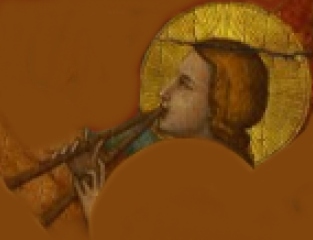

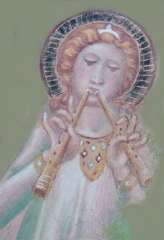
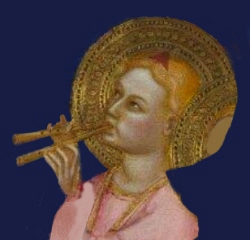
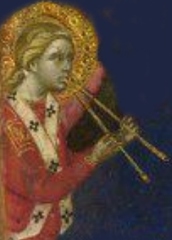
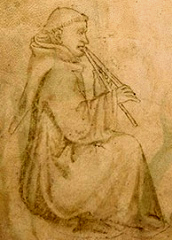
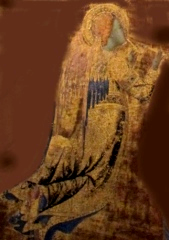
 14th century fresco,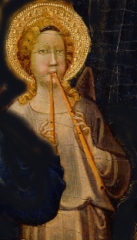
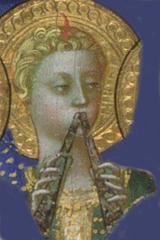
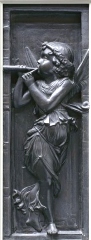

 1005
1005 


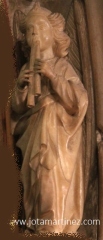 1441
1441 
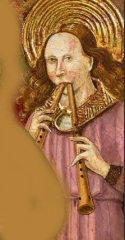

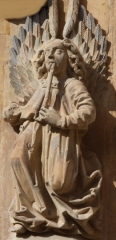



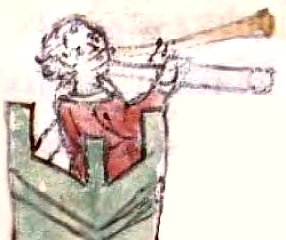 1450 Radziwiłł Chronicle [page 69]
 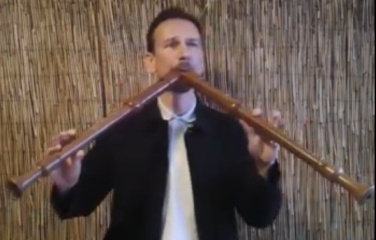 2015 video by Soboku Music
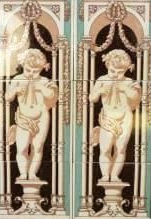 Victorian tiles
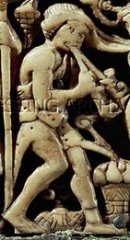 Ivory plaque unknown
  unknown
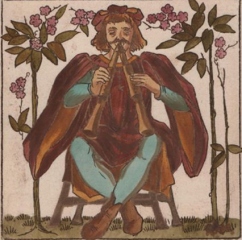 unknown double pipes
 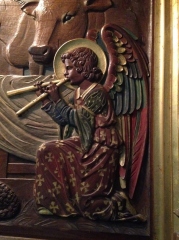 unknown
 medieval angel
 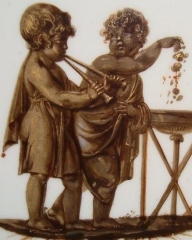 unknown
 early 20th century children's
  unknown





.jpg)