England: history of the pipe and tabor
the 16th century
taborers
In the 16th century neither terminology nor spelling were fixed.
So a pipe and tabor player could be, for example, Corporation of London Record Office, Repertory 13, fo1.255~1 The 'taberet' could be a small drum player or a pipe and tabor player. |
|||||||||||||||||
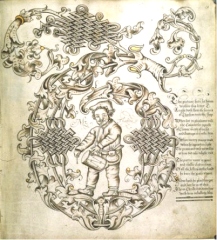
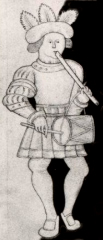 1500 calligraphy book 1500 calligraphy book |
|
||||||||||||||||
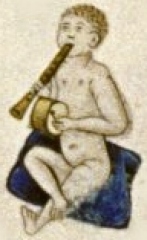 1520-30 pattern book East Anglia 1520-30 pattern book East Anglia |
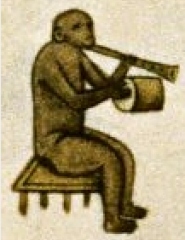 1520-30 pattern book, East Anglia 1520-30 pattern book, East Anglia |
 1520-30 alphabet, pattern book, East Anglia 1520-30 alphabet, pattern book, East Anglia |
|||||||||||||||
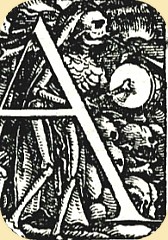 1523 illustrated alphabet 1523 illustrated alphabet |
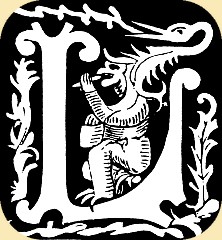 16th century alphabet book 16th century alphabet bookpub. London 1886 |
||||||||||||||||
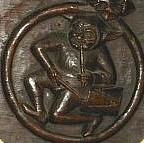 1520 misericord 1520 misericord |
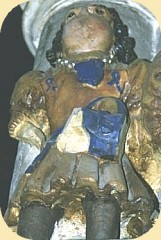 1520-24 stone carving 1520-24 stone carving |
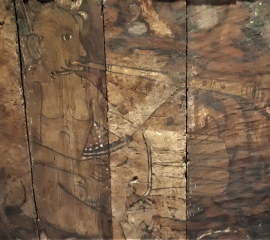 1530 1530 |
|||||||||||||||
|
|||||||||||||||||
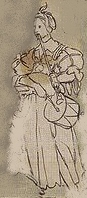 1533 sketch for a triumphal arch 1533 sketch for a triumphal arch |
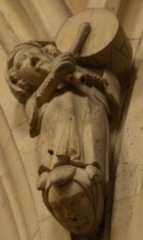 Beverley Minster Beverley Minster |
||||||||||||||||
 1545 pipe and beater recovered from the Mary Rose which sank in the English Channel 1545 pipe and beater recovered from the Mary Rose which sank in the English Channel |
|||||||||||||||||
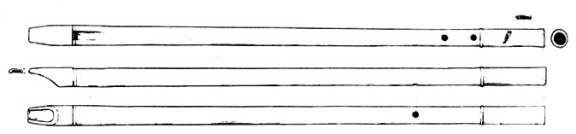 pipe from the Mary Rose pipe from the Mary Rose |
|||||||||||||||||
 Mary Rose beater / drum stick Mary Rose beater / drum stick |
|||||||||||||||||
|
|||||||||||||||||
1502-03 two pipe and tabor players were assigned to play for the Queen (Elizabeth of York) in her chamber - ‘Tudor court musicians, 1485-1547 : their number, status and function’ by Eileen Sharpe Pearsall, 1986 |
|||||||||||||||||
| 1503-4 Thomas Taberer was paid by St Laurence’s, Reading, for playing at their summer festival. | |||||||||||||||||
“Northumberland retained a taboret, a luter, and a rebec player. Katherine of Aragon's minstrels included a taboret” ‘Patrons and performance : early Tudor household revels’ by Westfall, Suzanne R 1990 |
|||||||||||||||||
| 1504
John Bontance
(spellings of his name vary, he was probably called Bontemps) He seems to have been at court since the reign of Henry VII. His name appears among those who received livery for the funeral of Elizabeth of York in 1504. His pay was increased to 16d a day on the death of Peter Planche, one of the sackbut players, in May 1538. He died in March 1544. |
|||||||||||||||||
1509 In 1519 Baltazar
is named among those who received New Year's rewards at court.
He is not mentioned after July 1538. ‘Musical Instruments at the Court of Henry VIII’ by Frances Palmer |
|||||||||||||||||
Some entertainments which took place during the reign of Henry VIII involved taborers 1510 Accounts of Revels 1513 REVEL ACCOUNTS, No. 5. 1514 REVEL ACCOUNTS, No. 7. 1516 REVEL ACCOUNTS, No. 9. 'Revels', in ‘Letters and Papers, Foreign and Domestic, Henry VIII, Volume 2, 1515-1518’ |
|||||||||||||||||
1512 a taborer kept by a noble household: Page 42 lists: “MYNSTRÅLLS IN HOUSHOLD . Page 45 Page 46 and 48 Page 343/344 (Payments made to minstrels for other household duties for the family): REGULATIONS AND ESTABLISHMENT OF THE HOUSHOLD OF HENRY ALGERNON PERCY , THE FIFTH EARL OF WRESILL |
|||||||||||||||||
| 1513 war between England and Scotland: The Earl of Shrewsbury was the captain of the vanguard and his retinue included 3 taboryners |
|||||||||||||||||
1514 taberets were employed at court by Christmas. |
|||||||||||||||||
1516 Herriard, Hampshire; St Mary's Churchwardens' Accounts: |
|||||||||||||||||
1517-18 Ely Priory, Cambridgeshire; Treasurer's Accounts
|
|||||||||||||||||
1517-18 Rye, Sussex, Chamberlains’ Accounts (Expenses) |
|||||||||||||||||
| 1519 Noel de la Sale, Nowell de la Salle, was hired at court as a tabret with a ‘minstrel’ designation His band was the Queen's Minstrels. He died in January 1540. |
|||||||||||||||||
1520/21 Privy Purse Expenses, Princess Mary: |
|||||||||||||||||
1523 "This is expenses and charges and money paid unto my master, anno 14." Letters and Papers, Foreign and Domestic, Henry VIII, Volume 3, 1519-1523 |
|||||||||||||||||
| 1526 Southampton, Hampshire; Steward's Accounts:
“Item payd to my lord talbotes mynstrell for a Reward xx d.” |
|||||||||||||||||
“In the year 1526 the king's band of musicians was constituted as follows: 15 trumpets, 3 lutes, 3 rebecks, 'The Story of Minstrelsy' by EDMONDSTOUNE DUNCAN 1907 |
|||||||||||||||||
1530 Peter Taberet is mentioned in court documents. |
|||||||||||||||||
| 1530 In a dispute about who owns a woodland:
“… Woodford in most cruel and unlawful manner sent to a 'mynstrell called a taberer' to take his taber and to go 'pypyng into the seyd maner place.' The minstrel refused,…” 'A History of the County of Buckingham: Volume 3. Parishes: Dorney' |
|||||||||||||||||
1538
Alex Penny, a taboret at court, was promoted to became a drummer:
|
|||||||||||||||||
1540 in Rye (Sussex) (and elsewhere) musicians worked in an official capacity as part of the town’s justice system. |
|||||||||||||||||
1541 William Burdwayes, originally from Anjou, France, emigrated to Ampthill, Redbornstoke hundred, |
|||||||||||||||||
1542 letter from Henry VIII to Sir Thomas Seymour, 29 Aug:
When the English and Imperial forces |
|||||||||||||||||
| 1547 From an Inventory of the Guarderobes, etc. of the instruments of Henry VIII: “Item. A Pipe for a Taberde in a Case of blacke leather.” |
|||||||||||||||||
1552 An indictment of eighteen minstrels at Chester included three taborers, eight fiddlers and eight pipers. ‘Vagabonds and minstrels in sixteenth-century Wales’ by Richard Suggett 2018 |
|||||||||||||||||
 1569 Broadside Ballad woodcut [horn and drum] 1569 Broadside Ballad woodcut [horn and drum] |
 |
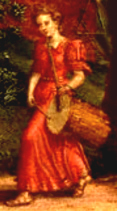 1560-80 Biblical painting 1560-80 Biblical painting |
|||||||||||||||
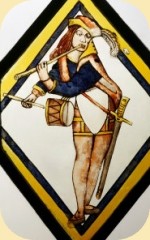 1550-1621 stained glass 1550-1621 stained glass |
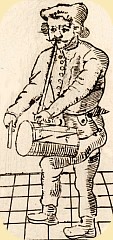
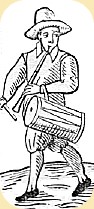 1599 pamphlet illustration 1599 pamphlet illustration |
||||||||||||||||
'"The picture here set down, John Scottowe (d. 1607), |
|
||||||||||||||||
1555 A civic code in Beverley, aimed at the "part-time" musician, forbids any "miller, shepherd, 'the renaissance wind band and wind ensemble', by David Whitwell, 1983 |
|||||||||||||||||
1561 York, an ordinance was passed concerning the non-resident minstrel, specifying that "no manner of foreigner" 'the renaissance wind band and wind ensemble', by David Whitwell, 1983 |
|||||||||||||||||
| 1563 Bramley, Hampshire; St James' Churchwardens' Accounts:
“Item to Crofte the mynstrell ij s.” |
|||||||||||||||||
1569
“paymentes by the saide mayor when the Quens maiesty was here.” Hampshire, Southampton, Book of Fines f 125v |
|||||||||||||||||
1583-84 Southampton, Hampshire Peter Breame was a glasier who played the drum and flute for musters |
|||||||||||||||||
After King Henry VIII’s reformation people could be tried as heretics for not attending church. 1576/7 Leverington, Cambridgeshire; Diocesan Court Proceedings: |
|||||||||||||||||
1580 Southampton, Hampshire; Mayor's Accounts: "Henry the Minstrell j yeardes ij quarters" |
|||||||||||||||||
| 1583 musicians criticised by Puritan writer: “…Give over therfore your Occupations, you Pypers, you Fidlers, you minstrelles, and you musitions, you Drummers, you Tabretters, you Fluters, and all other of that wicked broode, for the blood of all those, whome you drawe to destruction thorow your provocations, note and intysing allurementes shal be poured uppon your heads, at the day of Iudgement…” ’The anatomie of abuses contayning a discoverie, or briefe summarie of such notable vices and imperfections, as now raigne |
|||||||||||||||||
| 1584
alumni of Oxford University lists the son of:
“ John of Salvinton, a common fidler born 16 Dec. 1584” Alumni Oxonienses 1500-1714. Originally published by University of Oxford, Oxford, 1891. |
|||||||||||||||||
1585 “the fagge-end of an old man’s old will, who gave a good somme of mony to a Red-fac’d Ale-drinker, 'Drinke and Welcome' quoted in Th'e Curiosities of Ale & Beer: An Entertaining History', by John Bickerdyke 1889 |
|||||||||||||||||
1585 boy taborer, Armourers' Guild, London  ‘London civic theatre : city drama and pageantry from Roman times to 1558’ by Lancashire, Anne Begor ‘London civic theatre : city drama and pageantry from Roman times to 1558’ by Lancashire, Anne Begor |
|||||||||||||||||
1586 Shropshire - Town Bill payment for wine REED Shropshire, page 242 |
|||||||||||||||||
1586 Bleadon, Somerset July 8: ‘Two Minstrels too many? The Remunerated musicians of the 16th century, from status symbol of the court to Social Outcast’ by Andrew C.Rouse, 2002 |
|||||||||||||||||
1588 Oldham The National Archives DDKE/acc. 7840 HMC/f.2 |
|||||||||||||||||
1594 Litton, Somerset:
Deposition of Philip Bridges of Ston Boston, yeoman, aged 52 ‘Somerset including Bath 1: The Records - Records of Early English Drama’ f86 |
|||||||||||||||||
John Rowland was a taberer who played in Berkshire for at least 16 years: St Peter and St Paul's Churchwardens' Accounts, Bodl.: MS. Top. Berks c.44 1605-06 Stanford in the Vale, Berkshire “Item to Iohn Rowland for one dayes playe iij s.” |
|||||||||||||||||
1593/4 Butcombe, Somerset; case brought for tempting people away from church: ‘Two Minstrels too many? The Remunerated musicians of the 16th century, from status symbol of the court to Social Outcast’ by Andrew C.Rouse, 2002 |
|||||||||||||||||
1597 "John Bouset, or Possetis was a master at jests and clownish tricks… He often carried a pipe and sometimes, ‘The Elizabethan jig and related song drama’ by Baskervill, Charles Read, by Mangold ‘Markschiffs Nachen’ (1597) |
|||||||||||||||||
| 1599 "Friday xiv novr. Mr. Maior & aidermen going upon their Search in the evenyng as usuall found the vicar Mr. Trynder in John Williams House being a tipler wth. other Company and having amongst them a pipe with a Taber. " 'LOST CHRONICLE OF BARNSTAPLE 1586—1611' by Todd Gray |
|||||||||||||||||
1599 book dedication: *a generous patron especially of literature Humphrey King was a tobacconist in London. He was also a verse-writer, and author of ‘An Halfe-penny-worth of Wit, Nashe’s Lenten Stuff Containing the description and first procreation and increase of the town of Great Yarmouth in Norfolk. With a new play |
|||||||||||||||||
| 1602 Sutton, Cambridgeshire, Diocesan Court Proceedings: “Spence a minstrell that being a piper draweth the youth of Sutton to ill order on the Sabaoth dayes, & being admonished by the Minister he would doe yt in spite of him. On which day he appeared and the lord (judge) enjoined him to do penance in the church of Sutton…” |
|||||||||||||||||
1583 criticisms |
|||||||||||||||||
Philip Stubbes saw ‘pyping, fluting, drumming, and such like [as] inticements to wantonnesse and sin’. Page 83 “Prophane exercises upon the Sabaoth day” - May-games, Church-ales, feaists. and wakeesses : in pyping, Every towne, Citie, and Countrey, is full of these minstrelles to pype up a dance to the Devill but of dyvines, 'The Anatomie of Abuses' by Philip Stubbes |
|||||||||||||||||
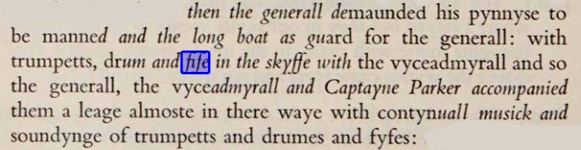
“amongst the musicians of Henry VIII at his death was " Olyver Fyfer" who played the Fife …The Fife seems In 1557, when an army was dispatched to S. Quentin, in France, a " drumme and phife " were
attached 'Old English instruments of music, their history and character' by Galpin, Francis W. 1910 |
|||||||||||||||||
| 1274 the duo consisting of the flute and the drum was used as a military instrument in infantries ... There is the record of a payment made in 1274 to a Messenger who was the field during 15 days against the Pisans, bringing 'tamburellum et sufulum'. |
|||||||||||||||||
1582 diary entry from a voyage on a ship called ‘Lycester’: |
|||||||||||||||||
1594 House Book records in York: [There are many notes of sums being paid to 'minstrels', but the records give no hint of what instruments they played.] |
|||||||||||||||||
1766 London court record: Old Bailey Proceedings: Accounts of Criminal Trials LL ref: t17660219-64 |
|||||||||||||||||
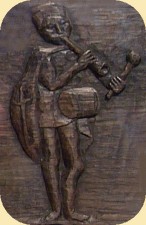
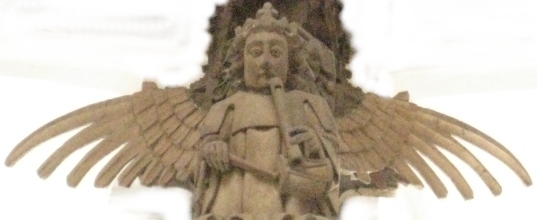 1526 angel roof, St Wendreda,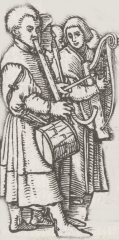
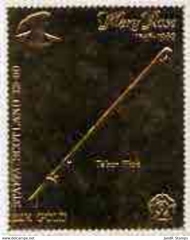 1982 Mary Rose pipe on stamp
 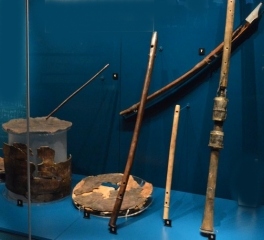 Mary Rose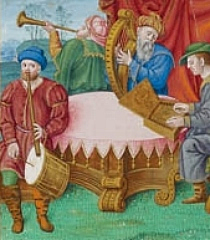







top of page